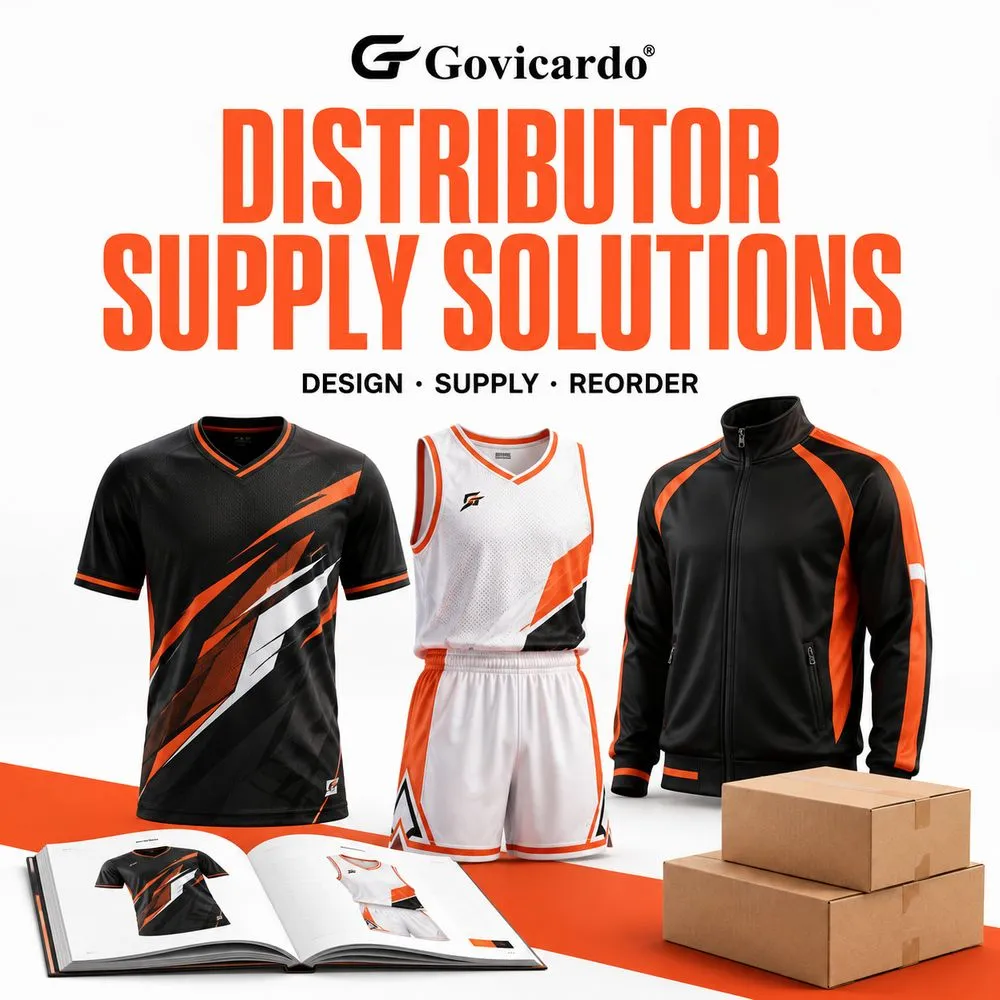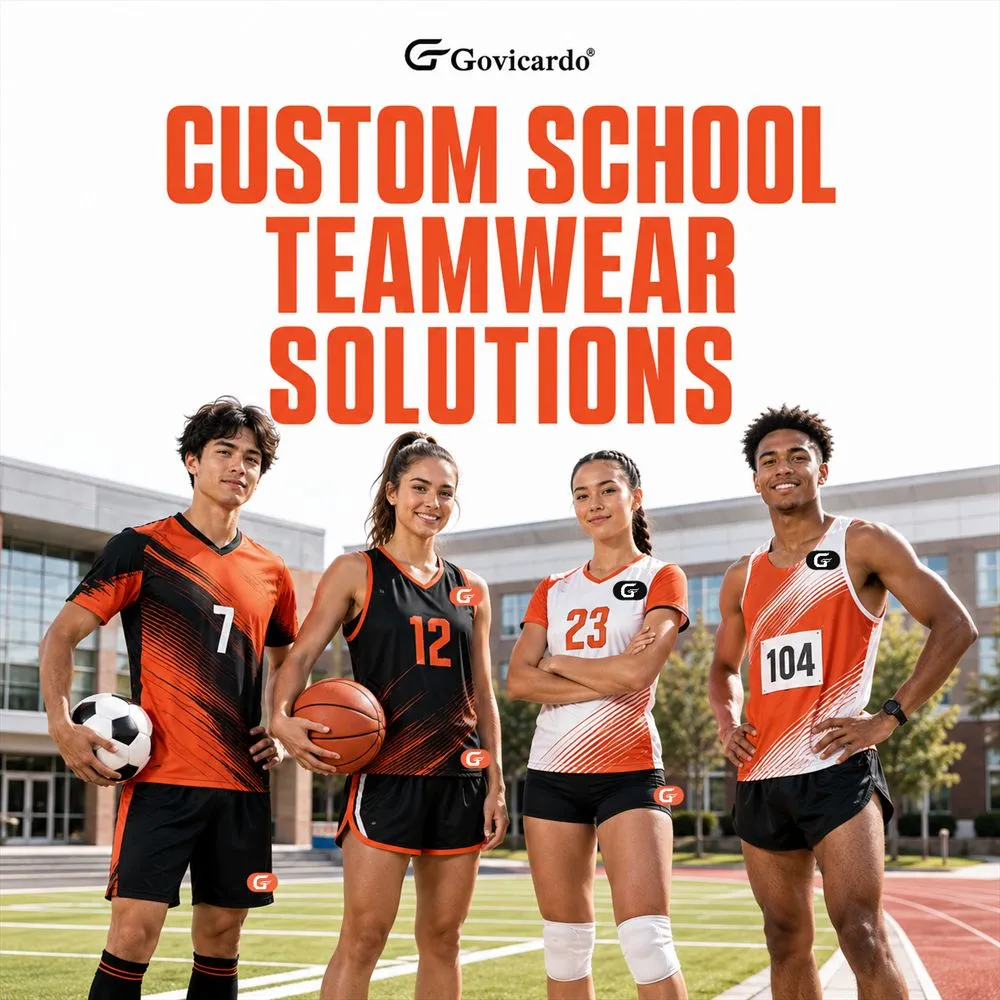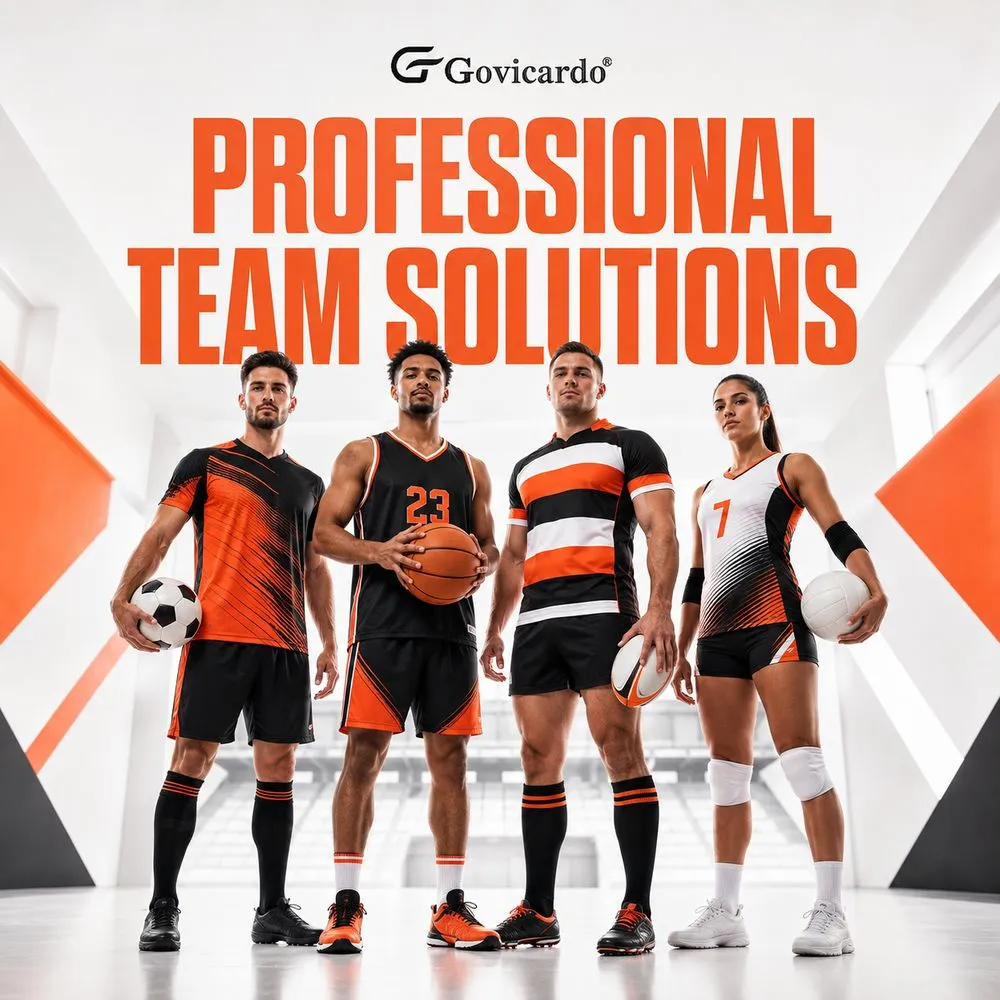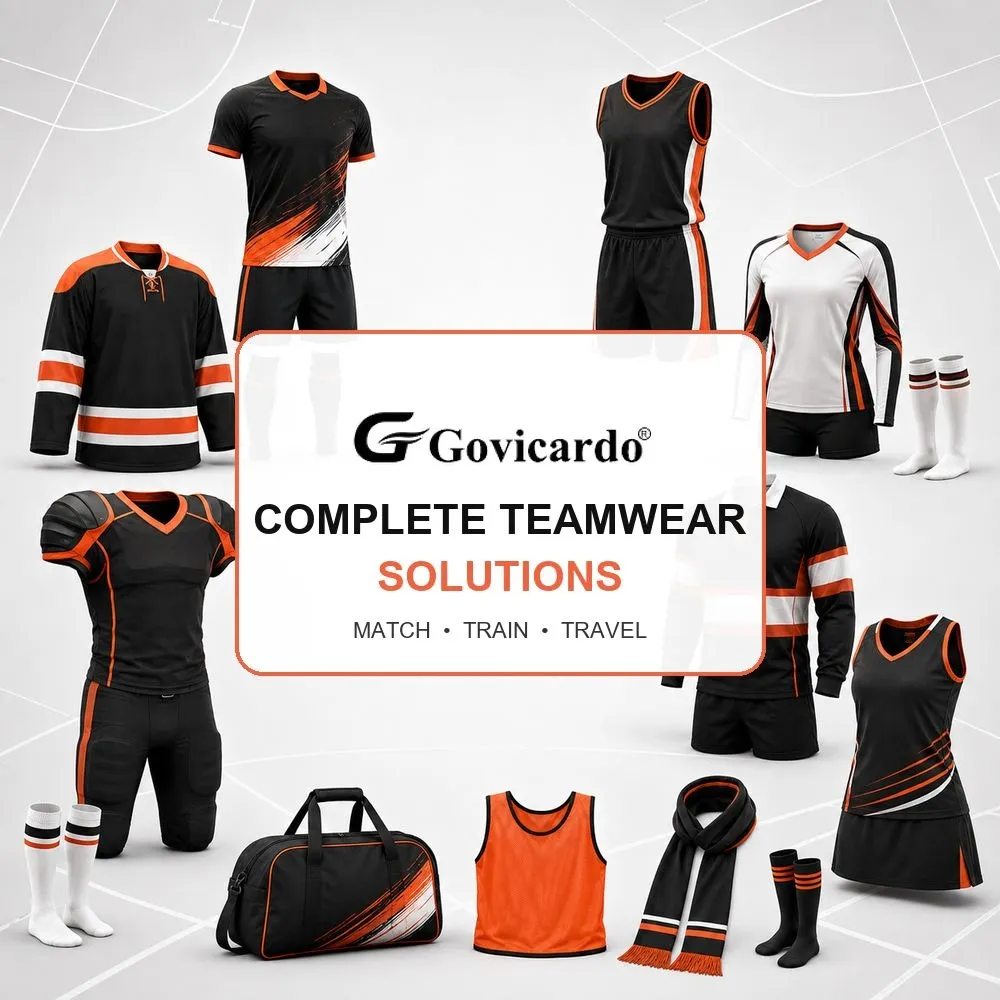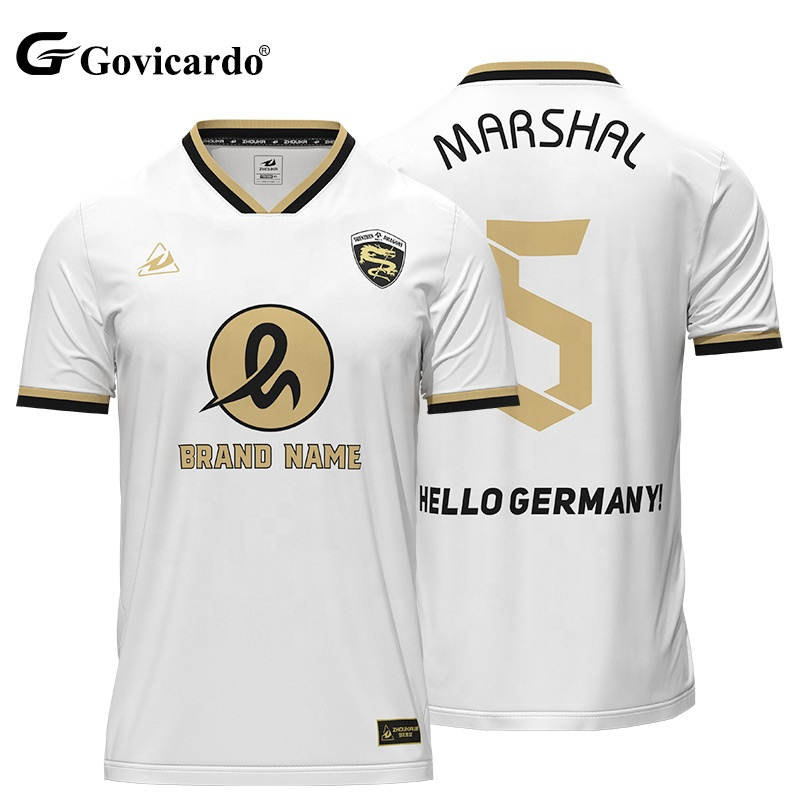
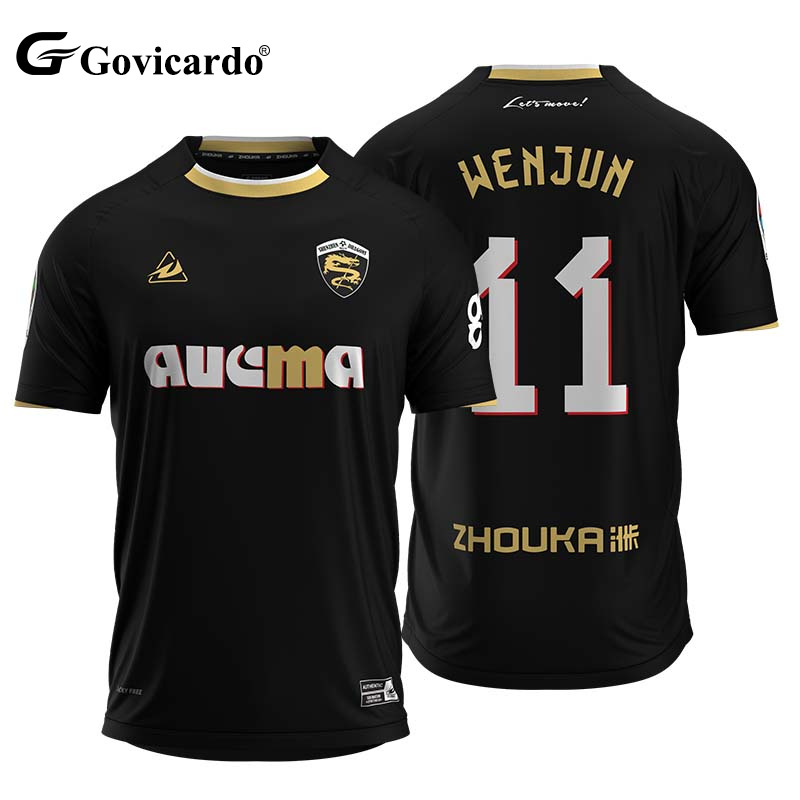
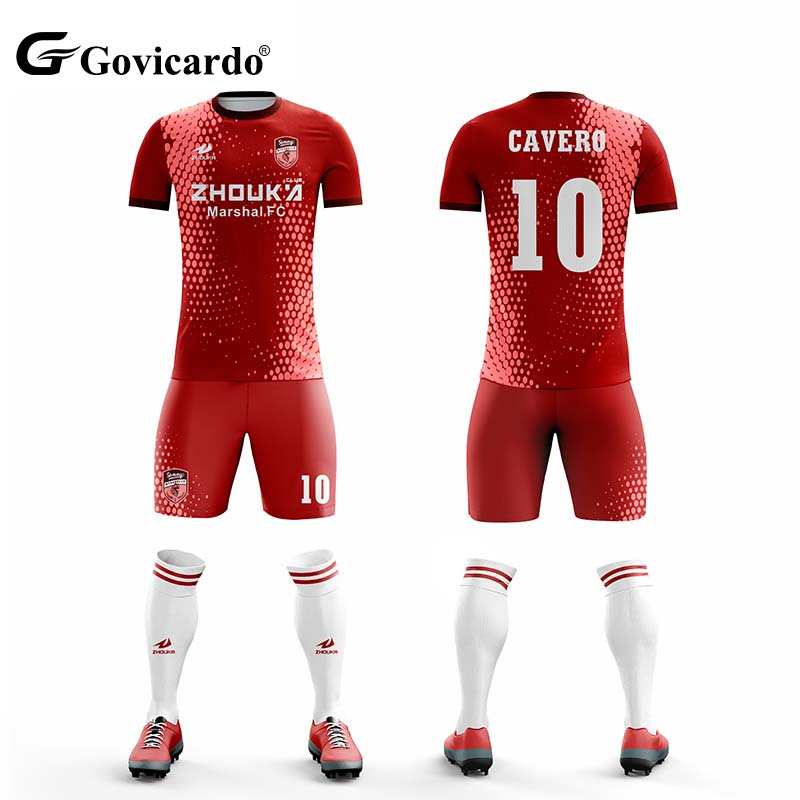
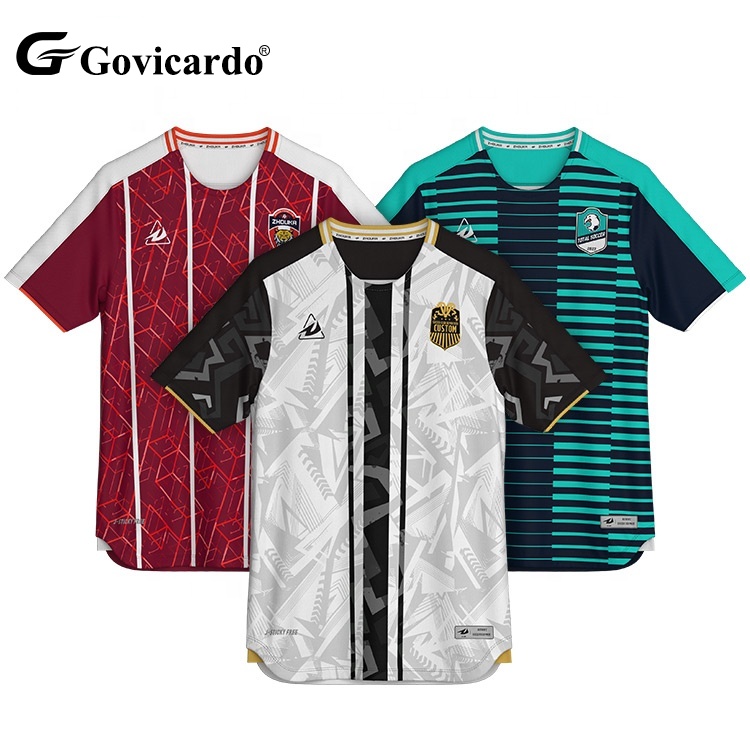
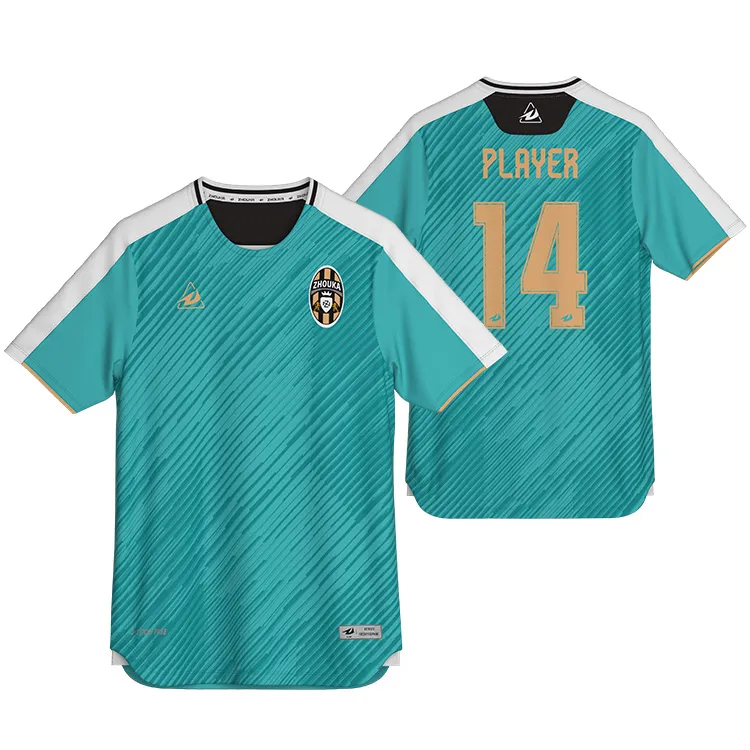
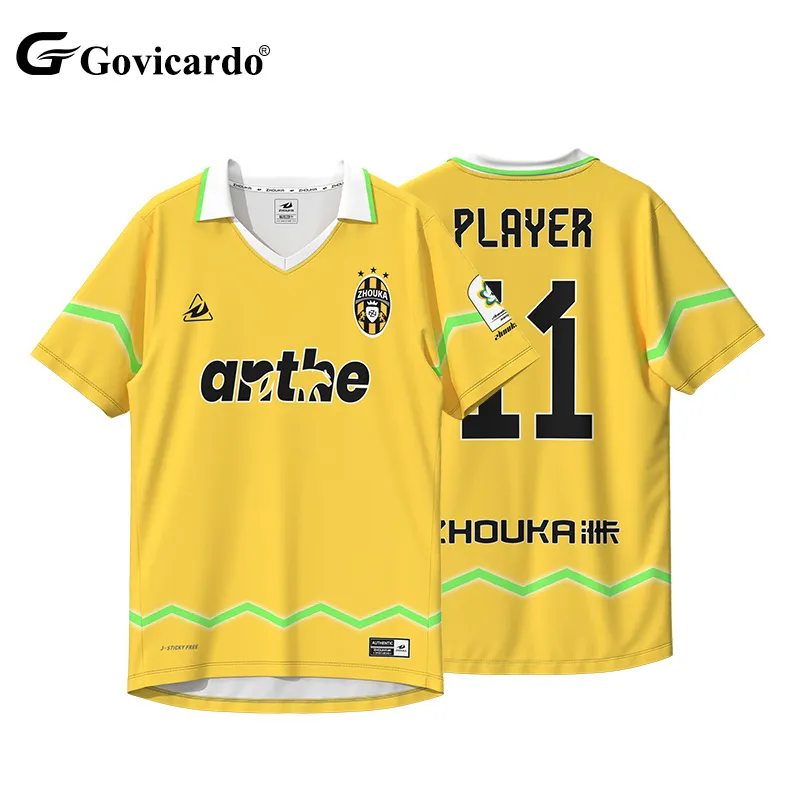
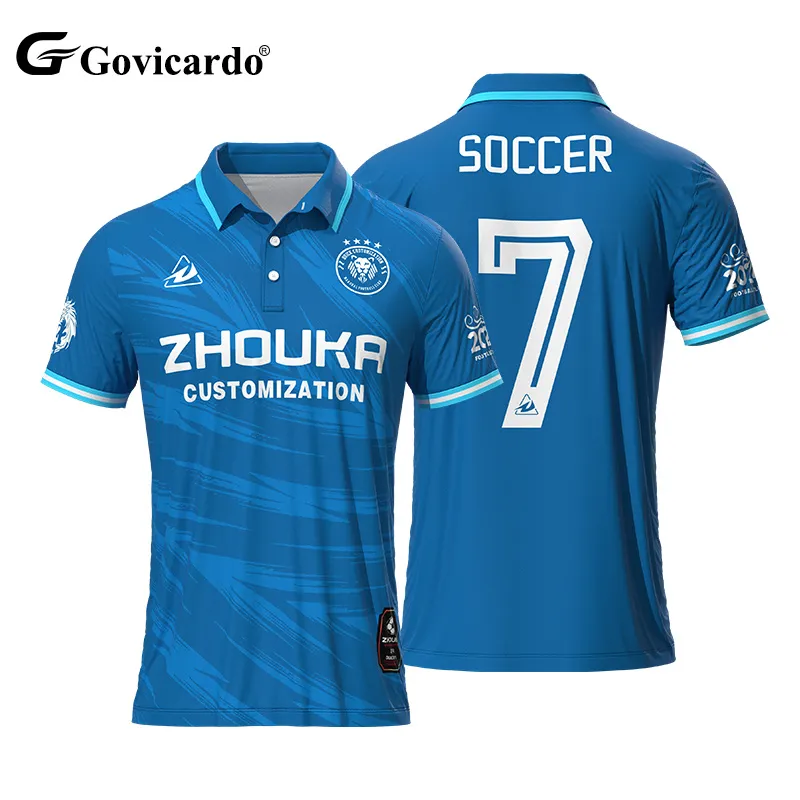
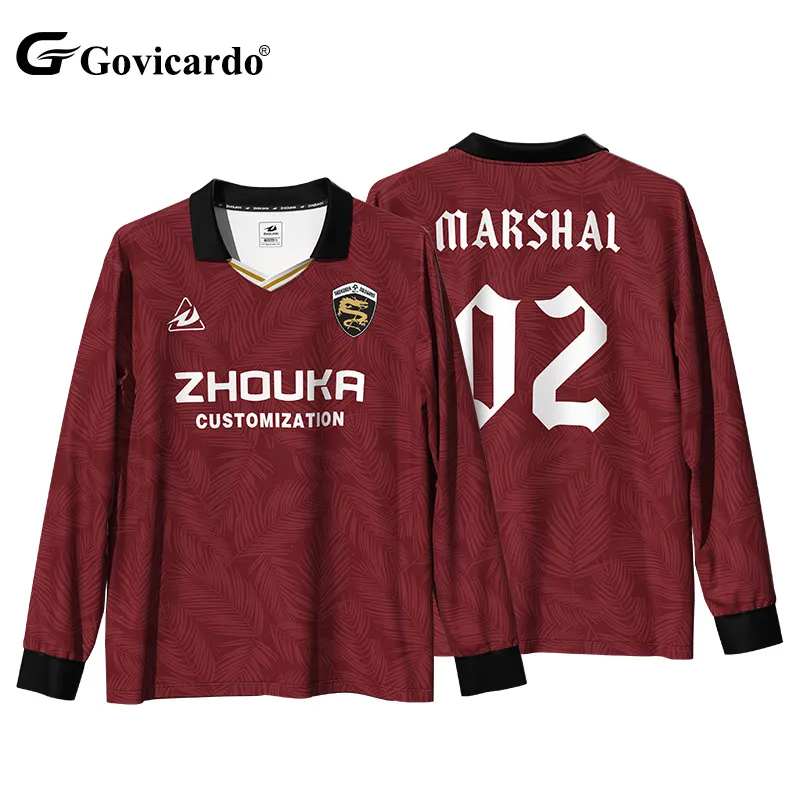
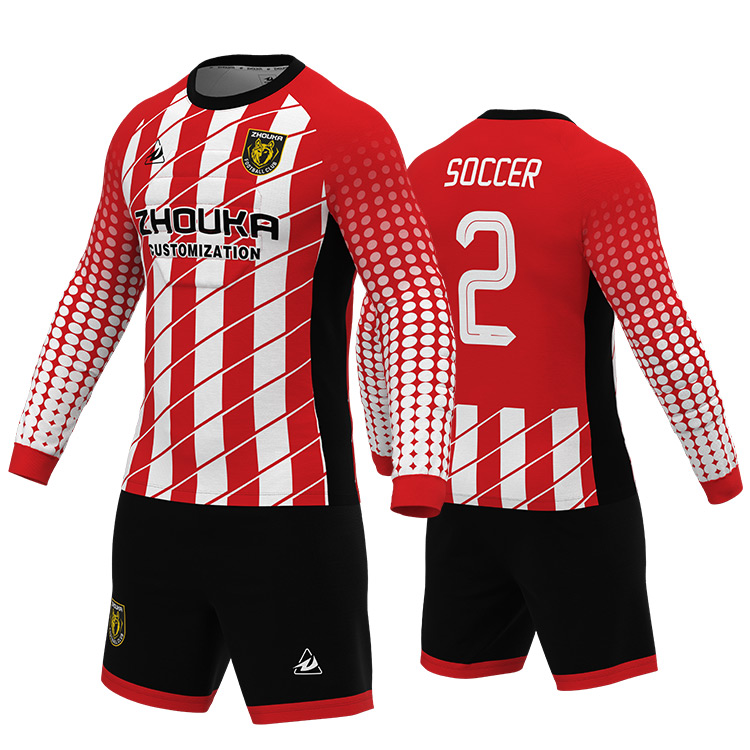
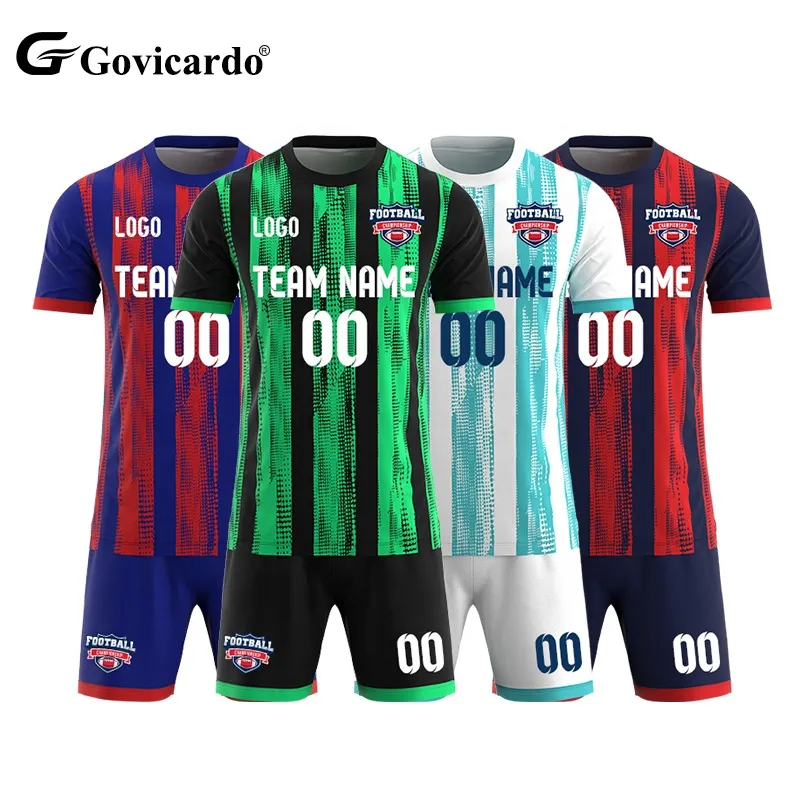
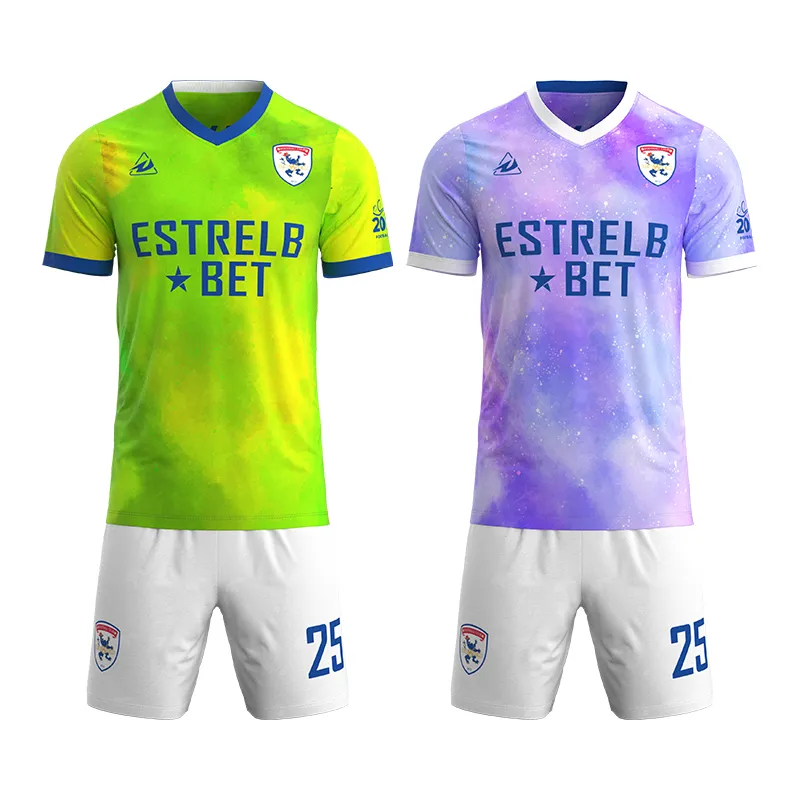
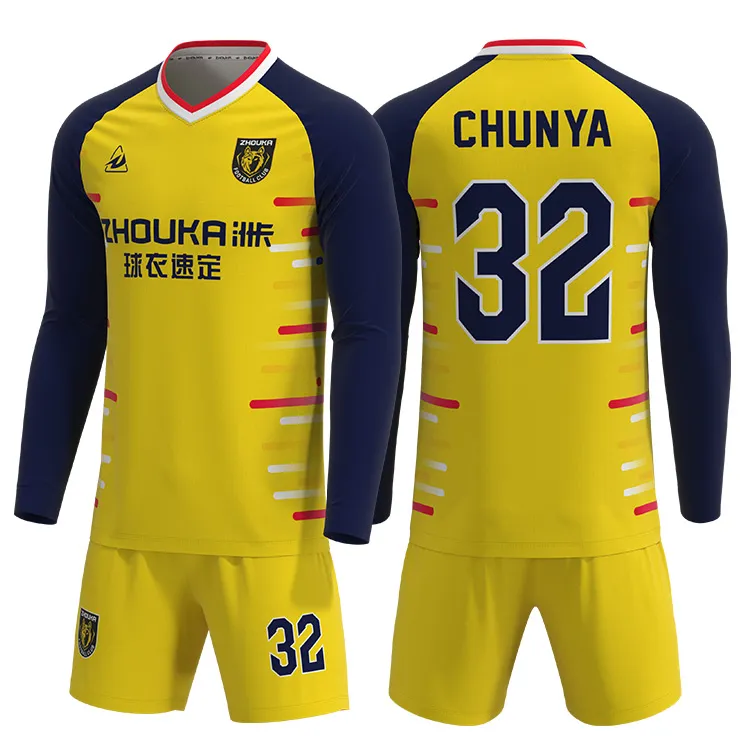
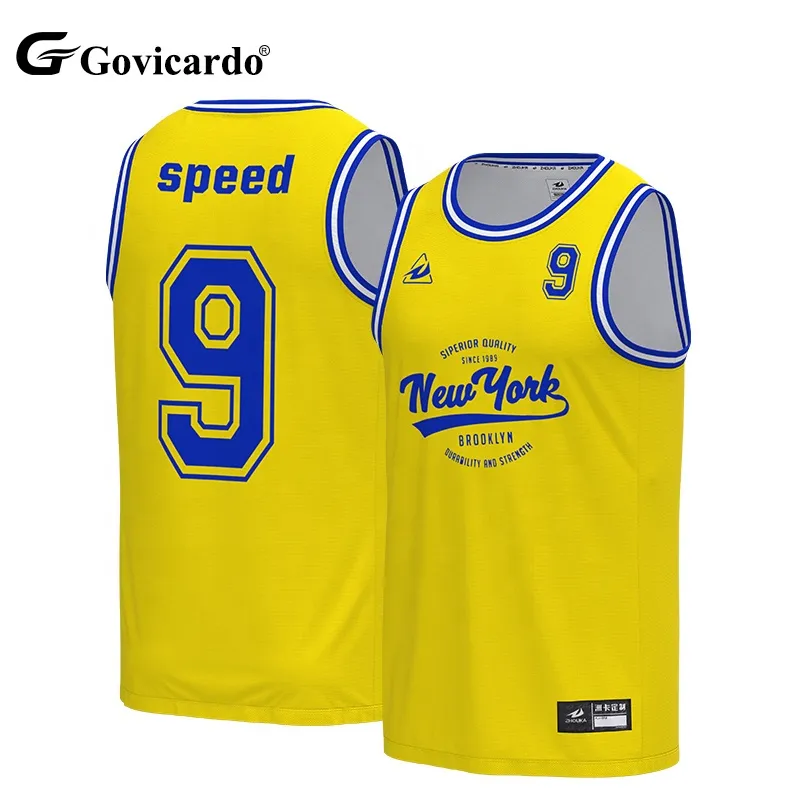
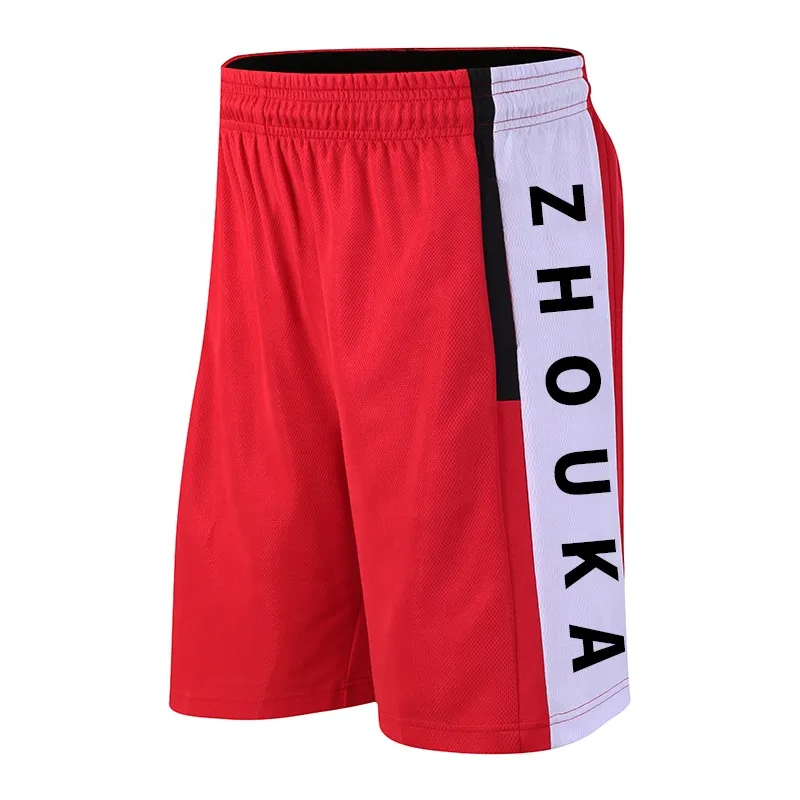
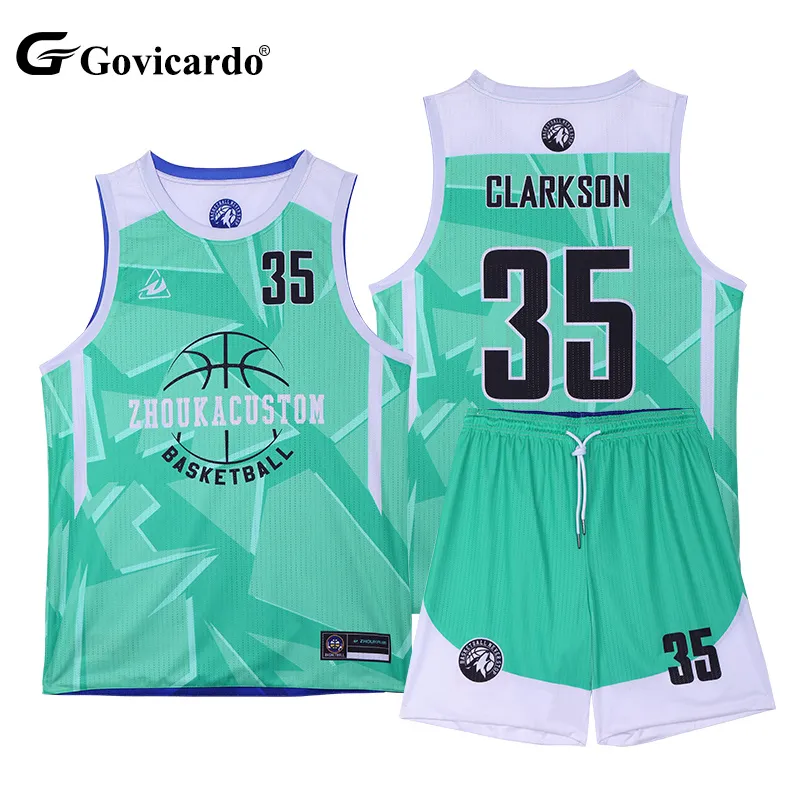
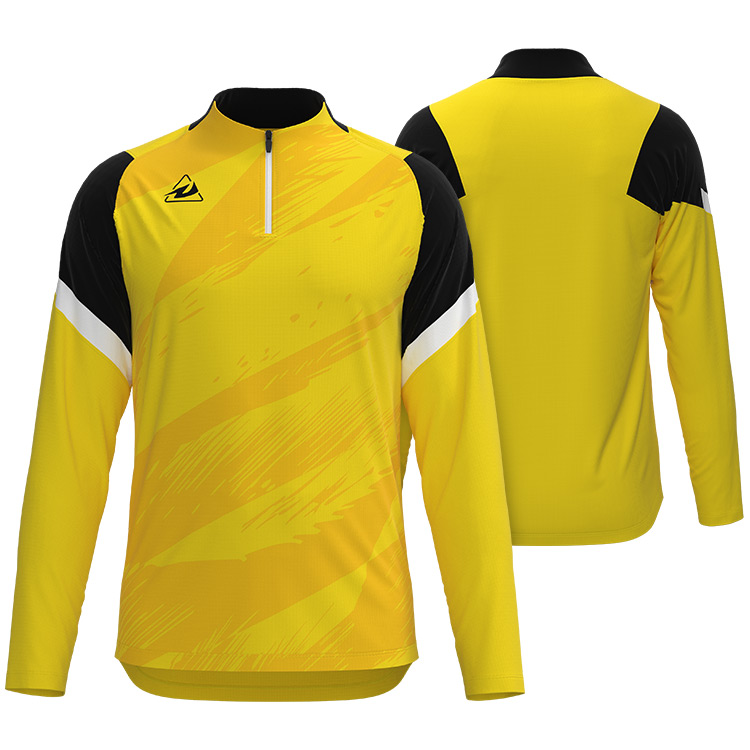
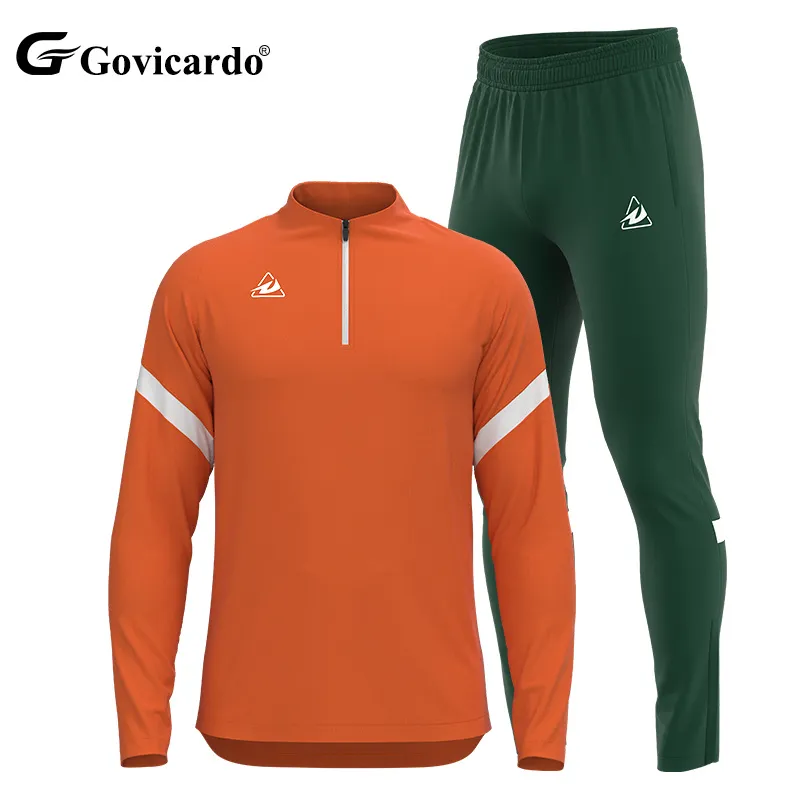
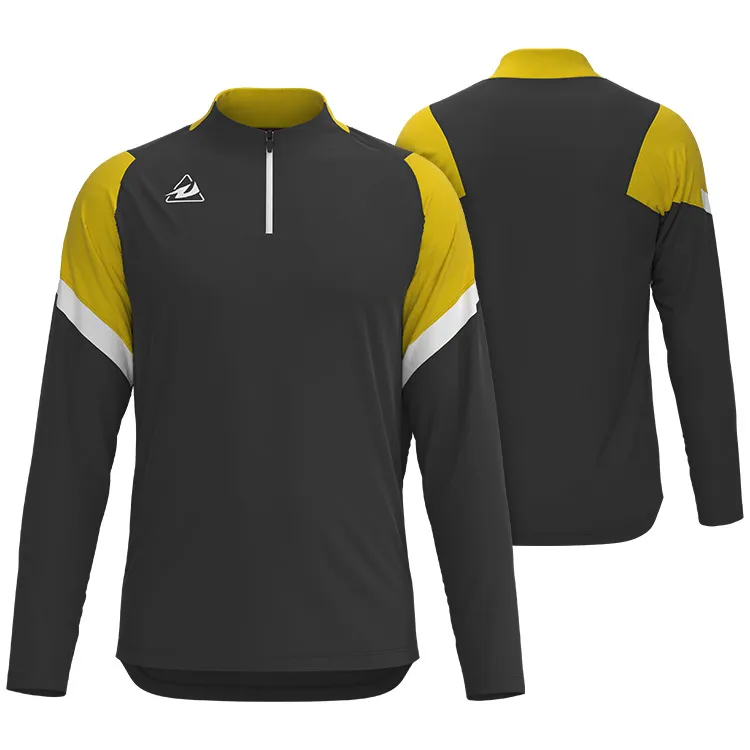
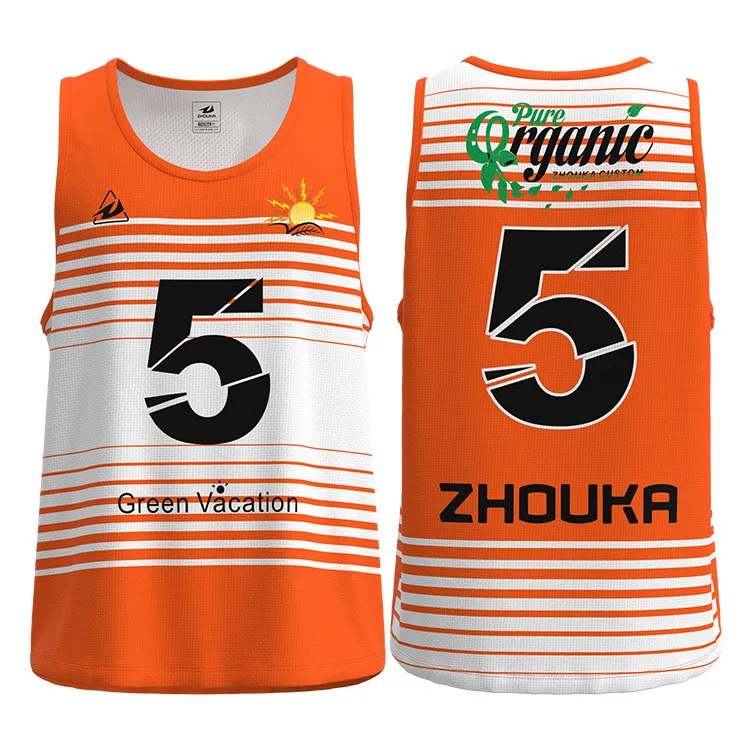
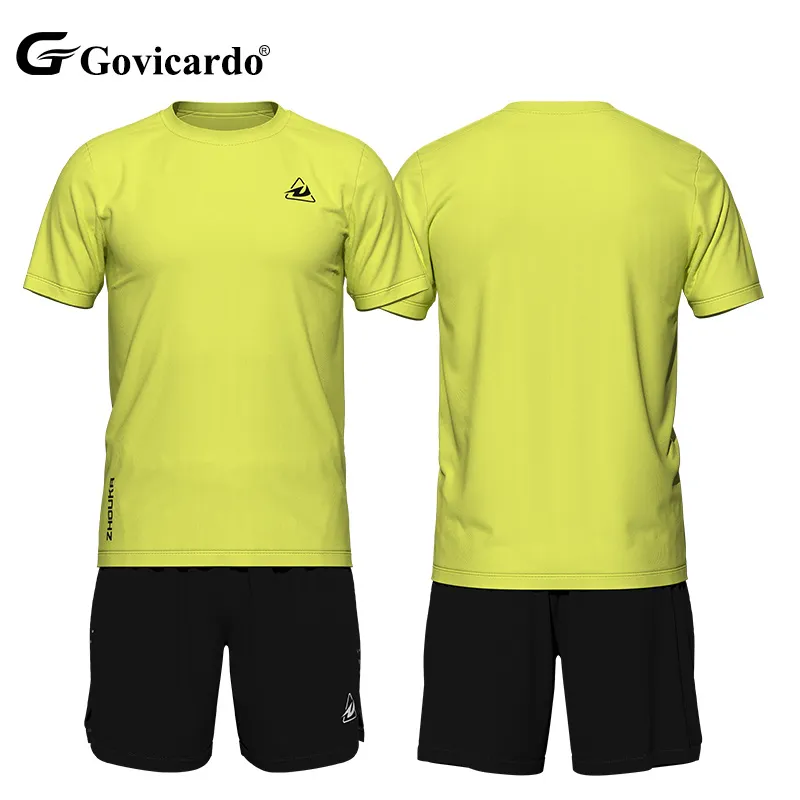
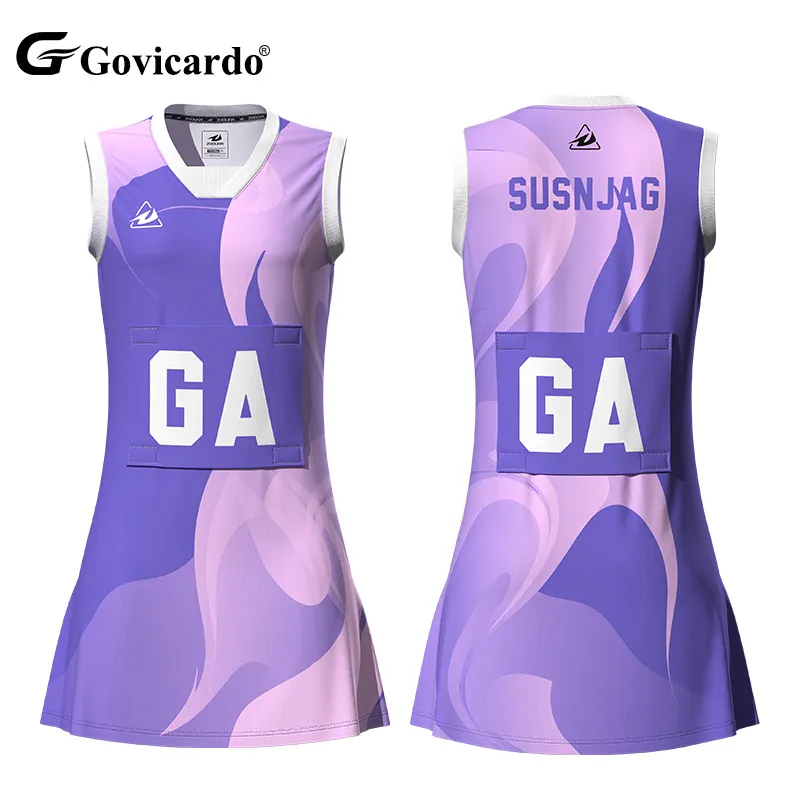
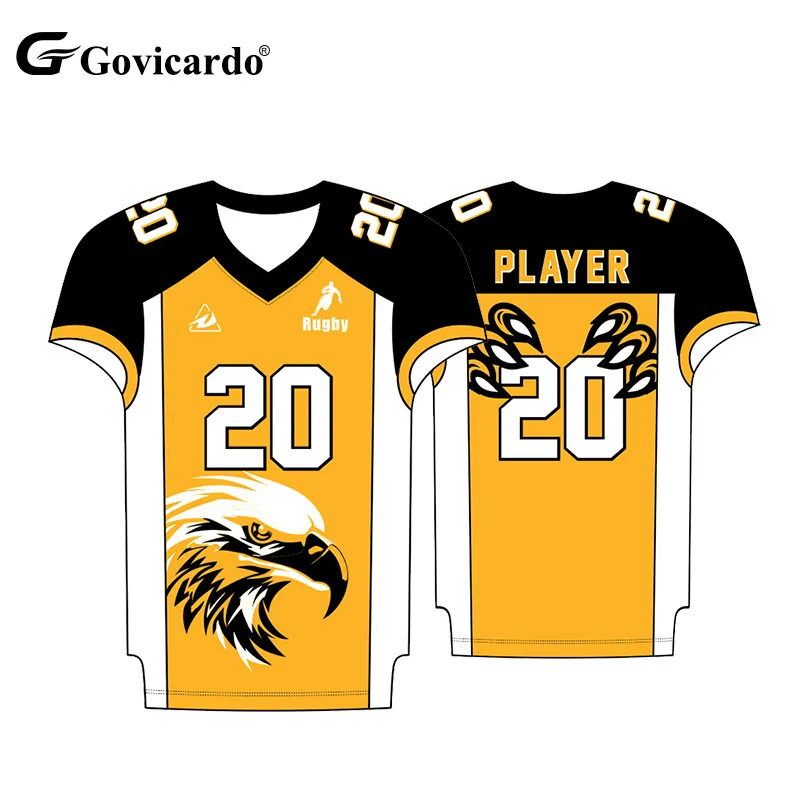
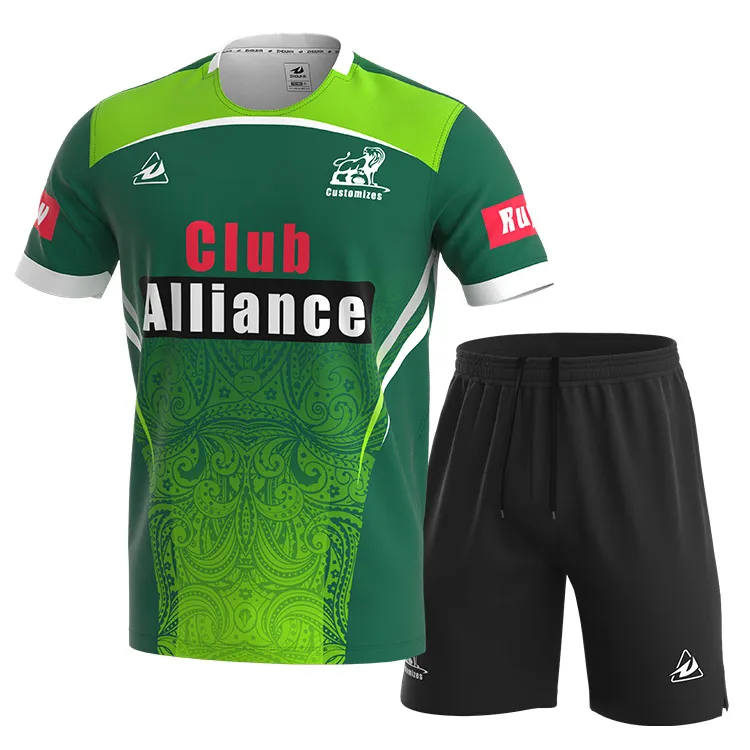
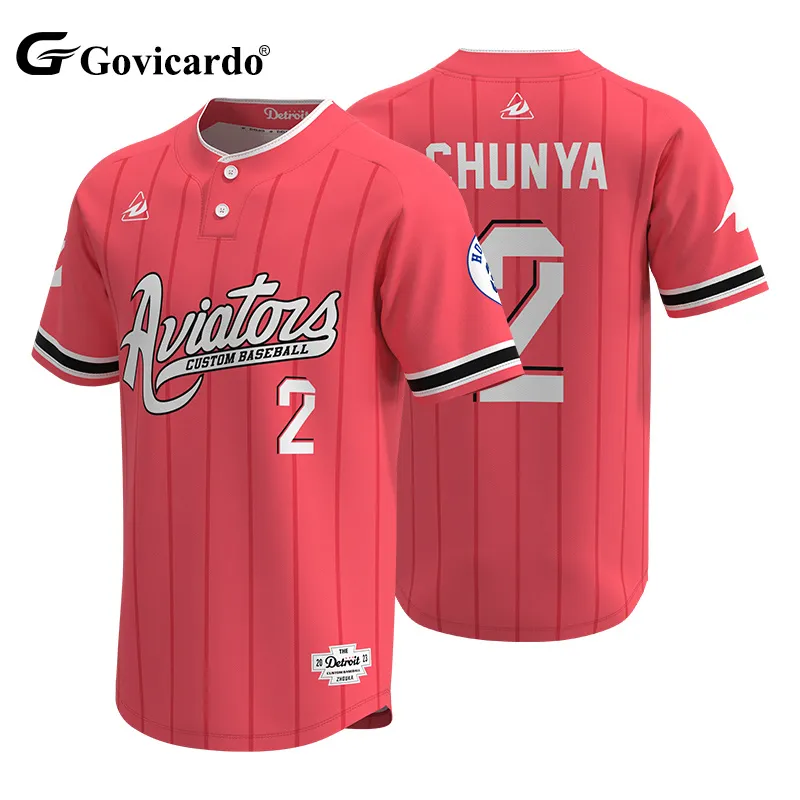
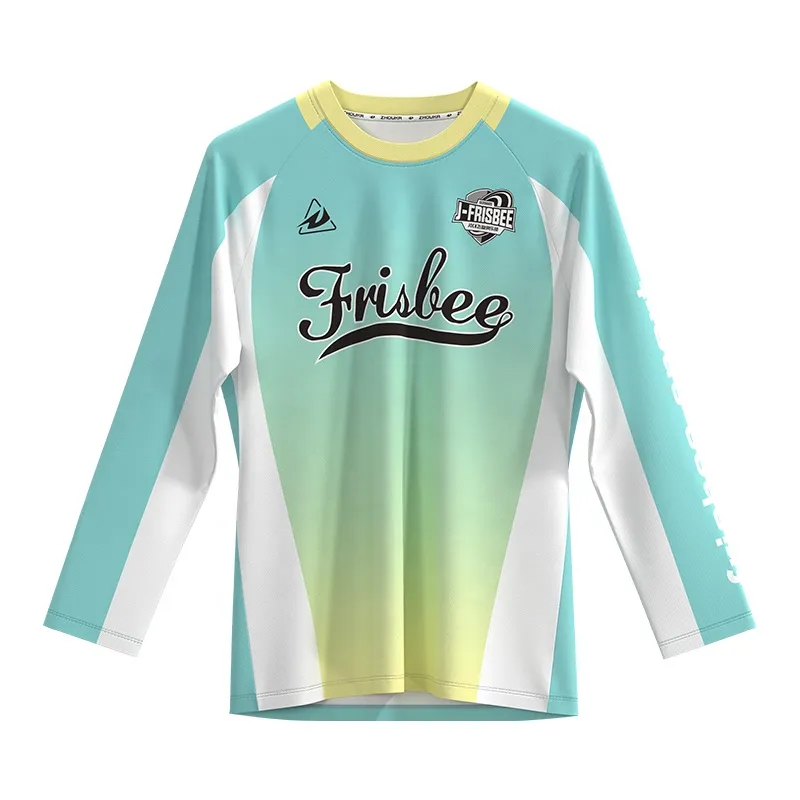
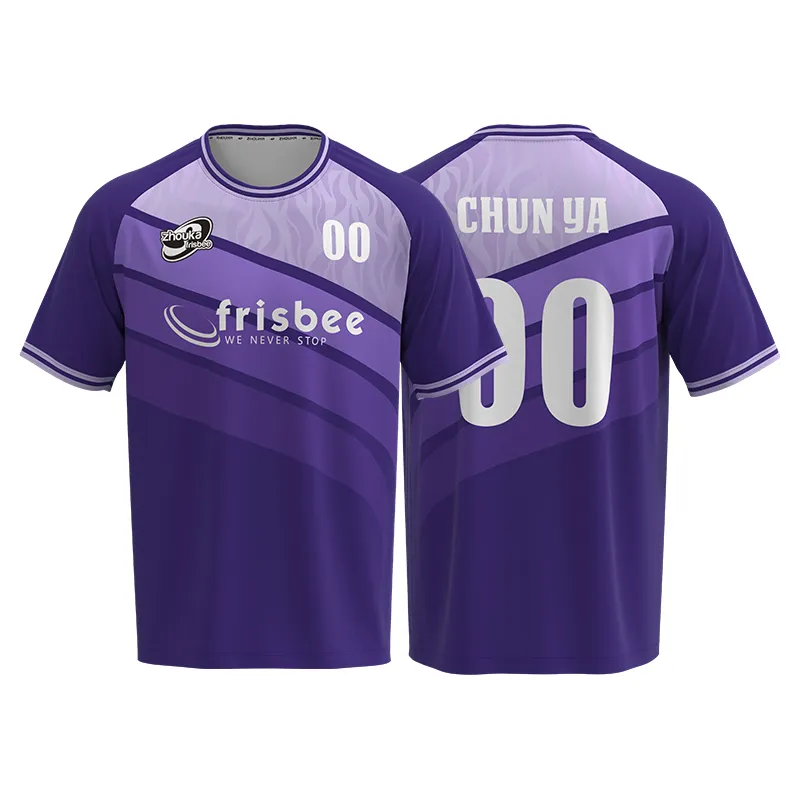
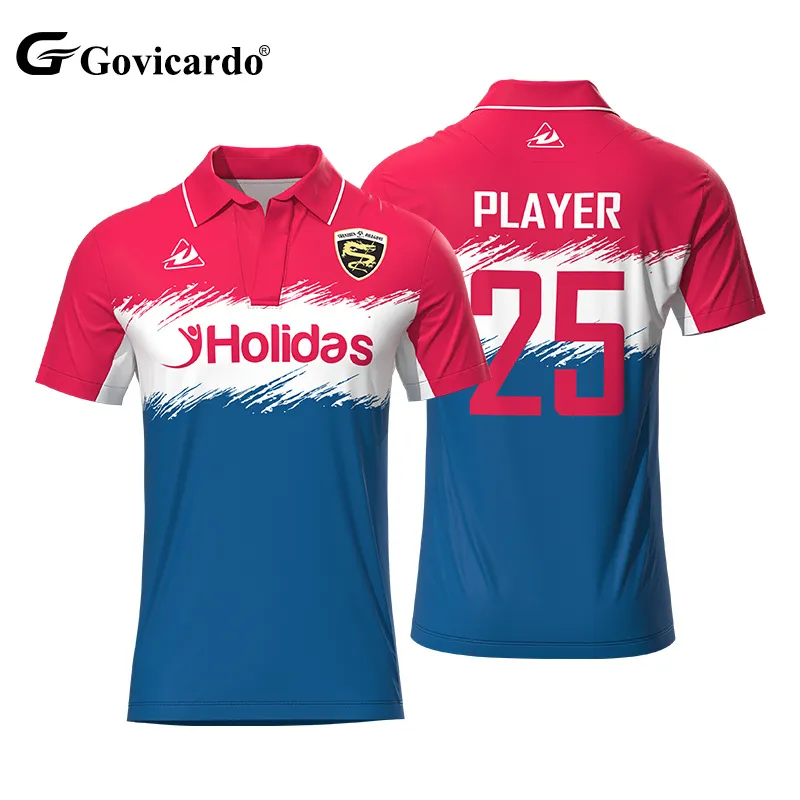
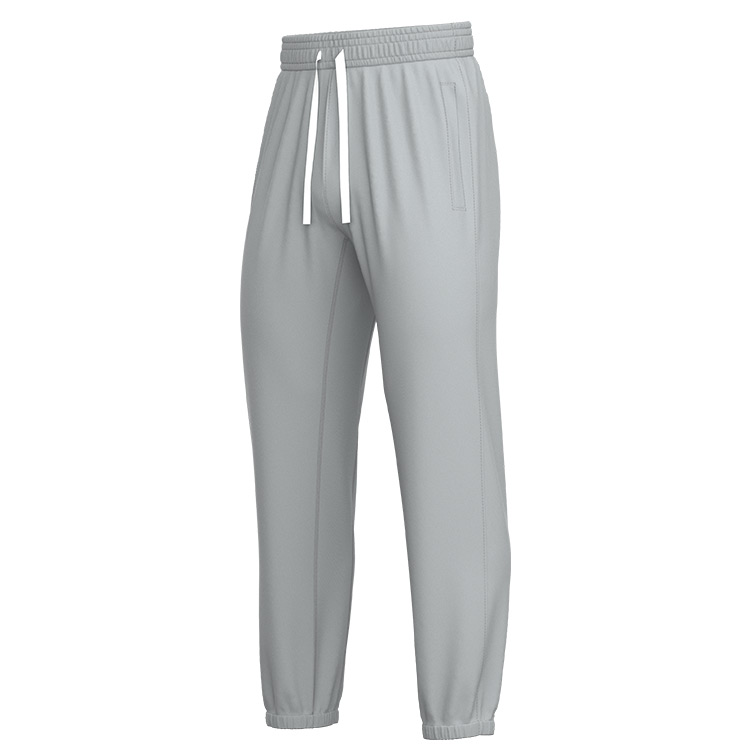

What flexible production means for a sportswear buyer
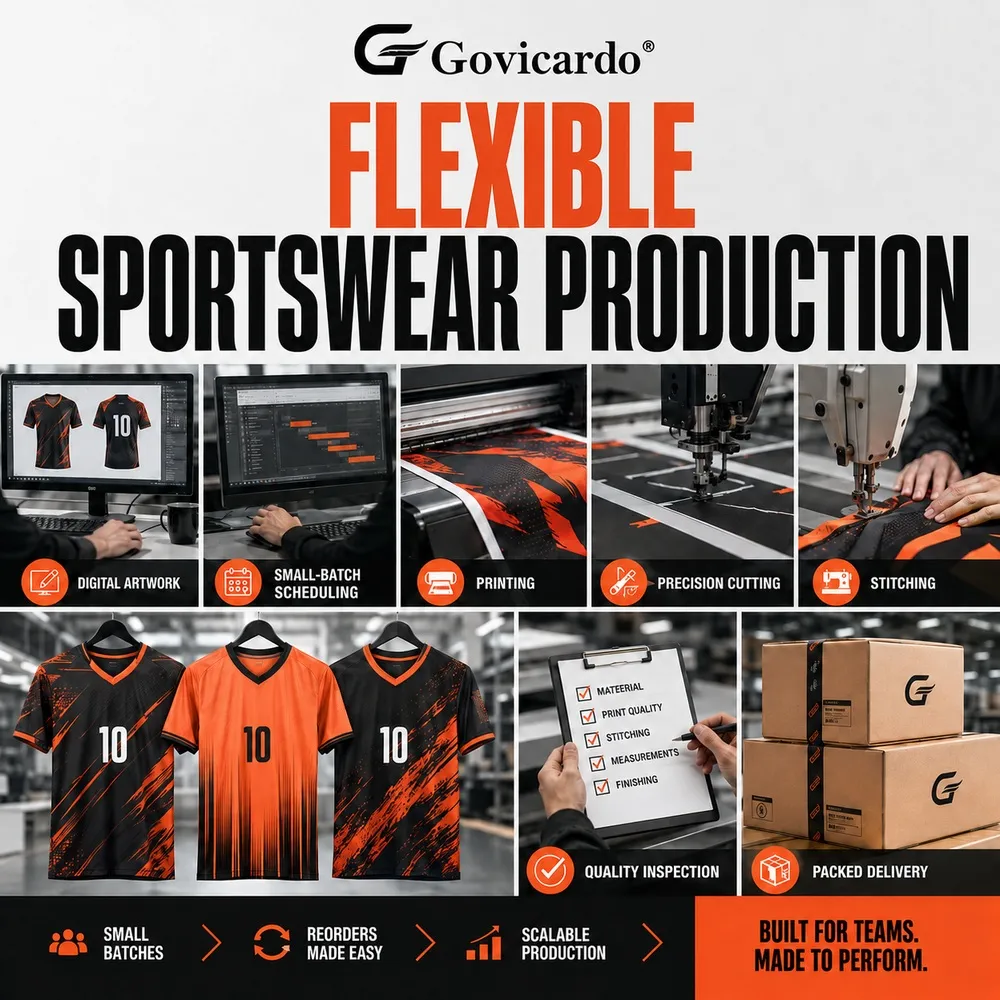
It means the factory can organize different order sizes, personalized player data, multiple garment types and several decoration methods through one controlled workflow. Flexibility is valuable only when the artwork, quantities, production files, approvals and deadlines remain clear. Govicardo therefore treats design preparation and order information as part of manufacturing, rather than waiting for problems to appear on the sewing line.
| Published capability | What it supports | Buyer value |
|---|---|---|
| Fully custom MOQ from 20 pieces | Smaller custom projects and controlled market testing | Lower commitment before a larger rollout |
| 7-day sample support | Faster physical review when the selected product supports it | Earlier fit, color and construction decisions |
| 50,000+ pieces monthly capacity | Growth from smaller orders into wholesale programs | One supplier structure across different order stages |
| 17 years of sportswear experience | Product, process and export-service knowledge | Practical guidance before production begins |
Published figures are subject to the confirmed product, design, quantity, material availability, destination and order requirements.
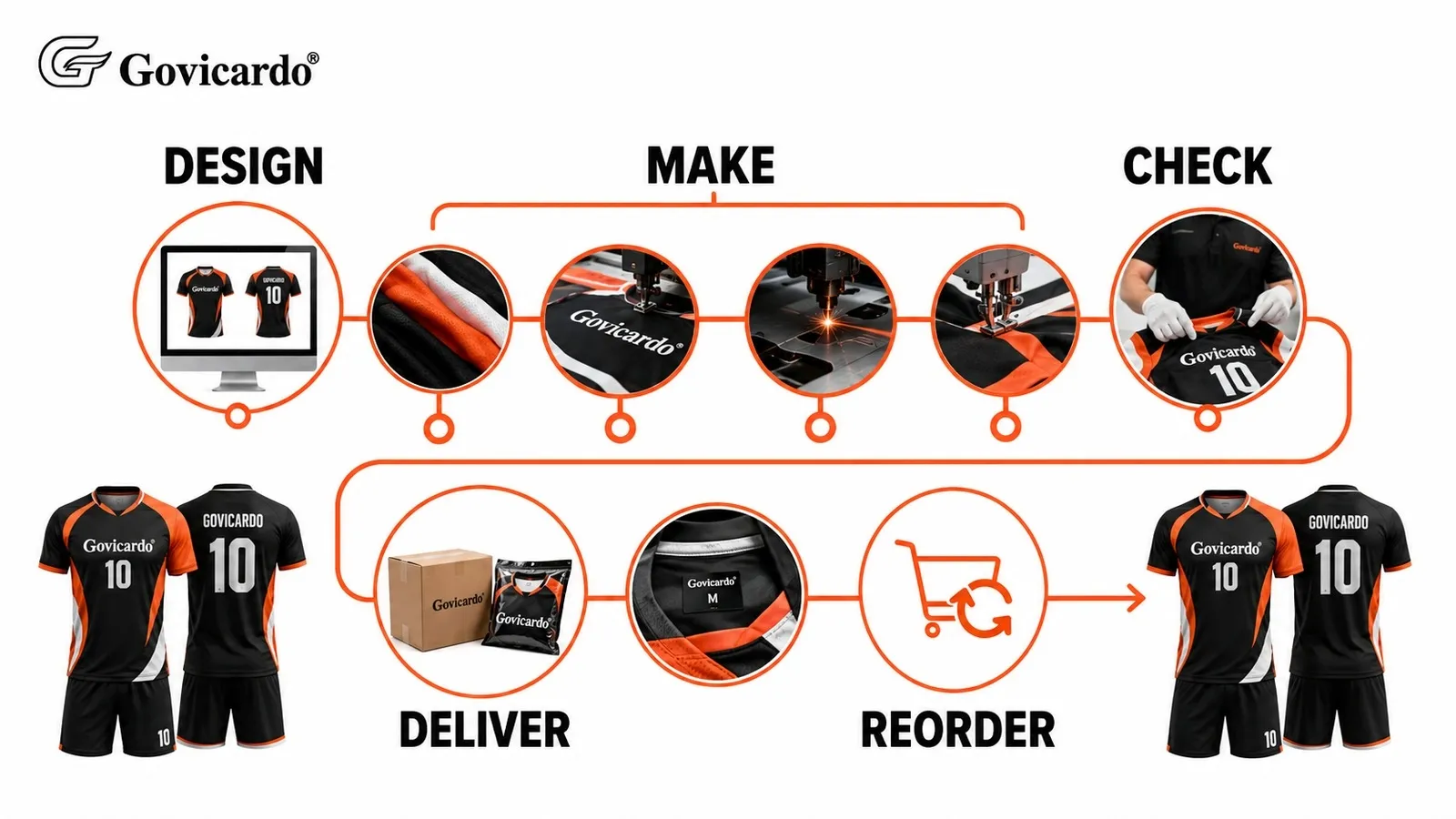
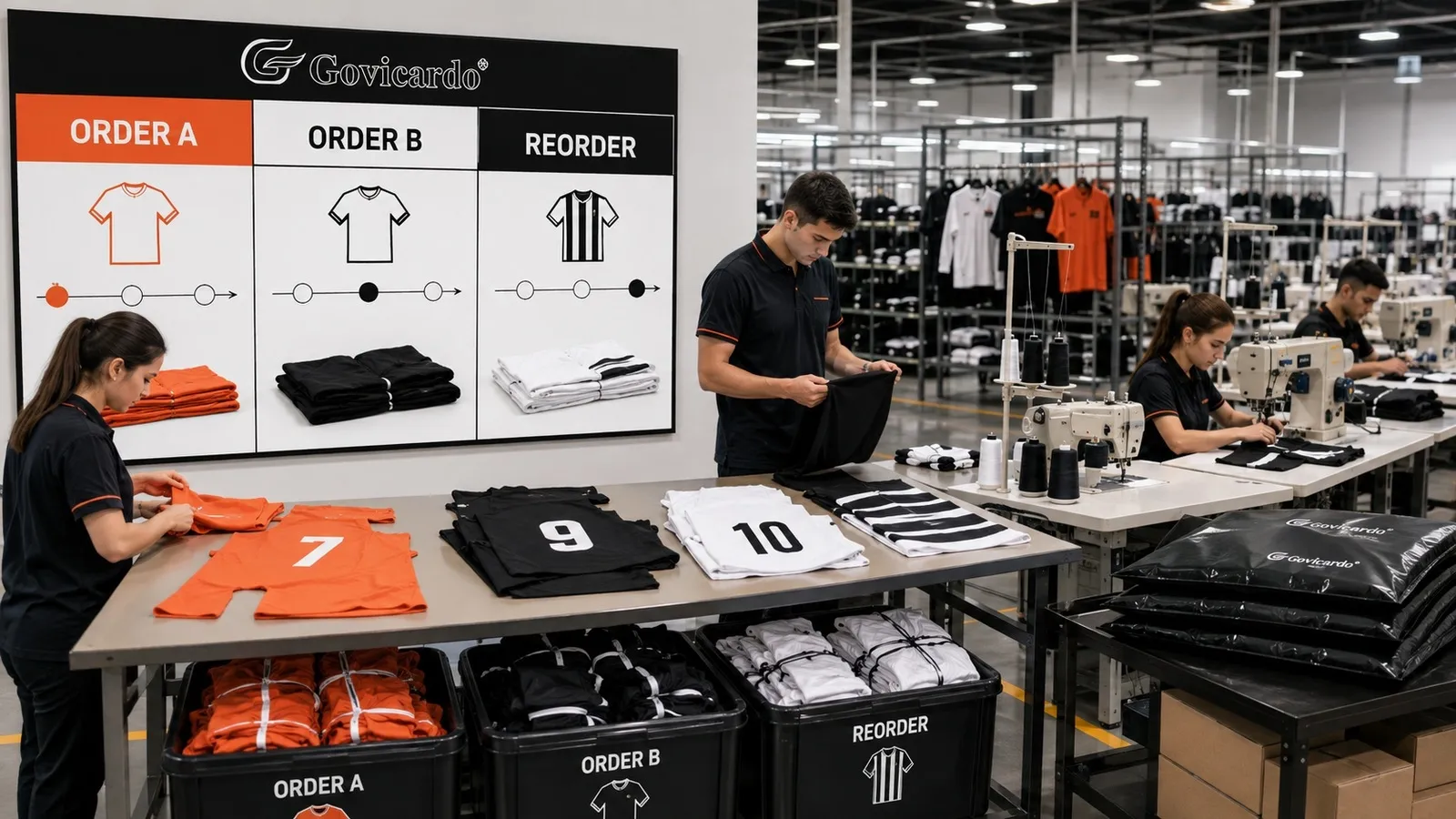
Small-Batch and Fast-Response Production
Small custom orders are often difficult for conventional factories because the setup work does not become smaller when the quantity does. Artwork still needs checking, colors still need approval, every name and number still needs a production file, and every size must be counted. When a supplier handles these tasks informally, a twenty-piece order can create almost as much confusion as a much larger one.
Govicardo's flexible production approach is built around organizing that setup work. Standard garment blocks provide practical starting points. Digital artwork workflows reduce manual repetition. A structured order sheet connects each product with its size, color, logo, name and number. Design and merchandising staff work from the same approved information, while production scheduling can group compatible work without losing the identity of each order.
This structure helps customers whose quantities are still developing, teams that need replacements for new players, and buyers facing a tournament or launch date. It does not turn every deadline into an automatic promise. The responsible path is to share the required delivery date, destination, product, quantity and complete artwork as early as possible. Govicardo can then assess the available production route and confirm what can realistically be delivered.
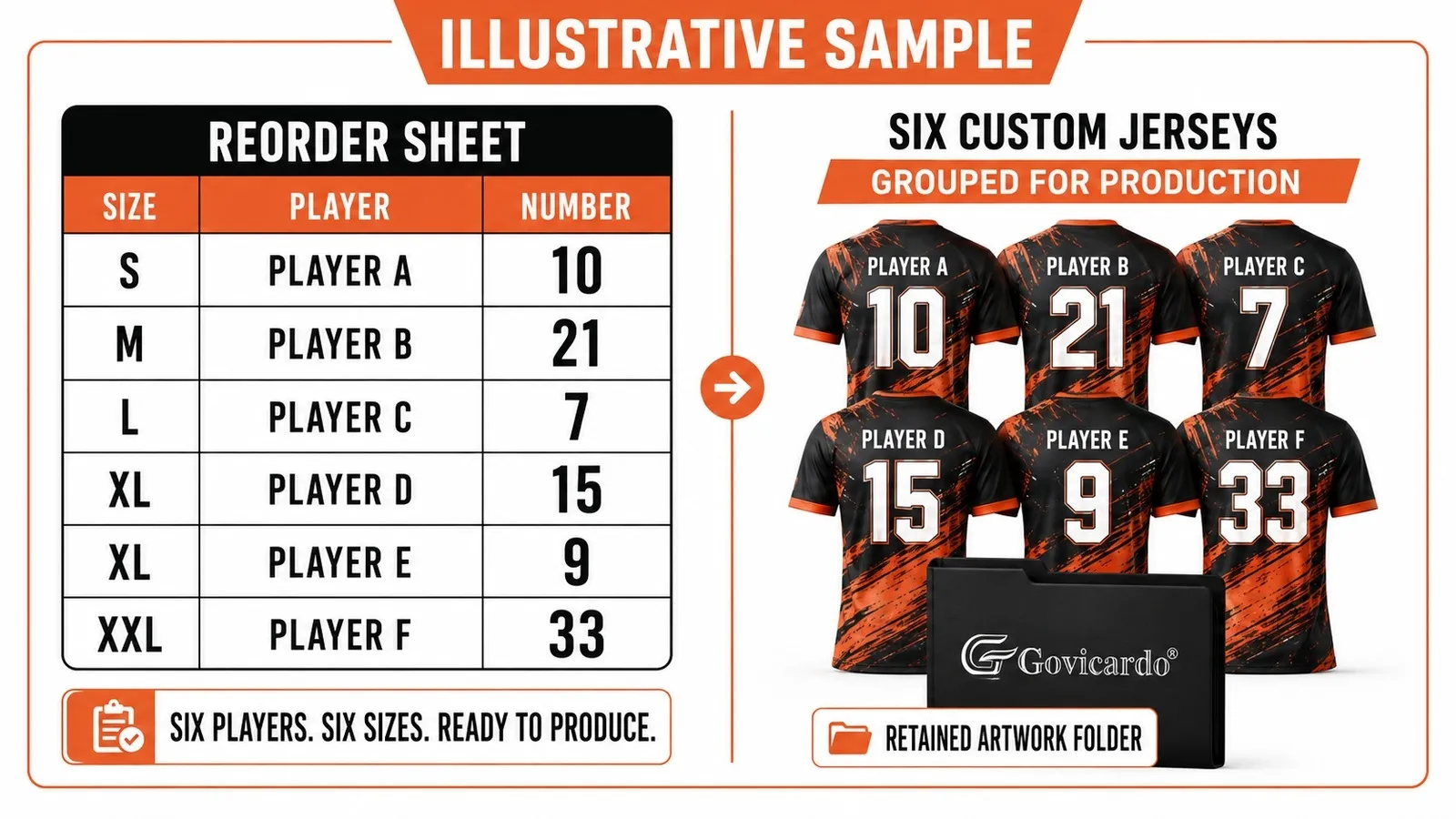
Illustrative Small Reorder: Turning Player Changes into Production Data
Consider an illustrative reorder for a club adding six players after its main uniform delivery. The buyer sends the retained style reference, six sizes, six player names, six numbers and the required destination date. The working file links each row to the approved jersey front, back, crest position, sponsor layout and color reference. Before production, the buyer checks one consolidated confirmation instead of explaining the original design again through separate messages.
This example is intentionally simple, but it shows why saved specifications matter. The value of flexible manufacturing is not merely accepting fewer pieces. The greater value is reducing repeated decisions, identifying missing information early and giving both sides one clear reference for the reorder.
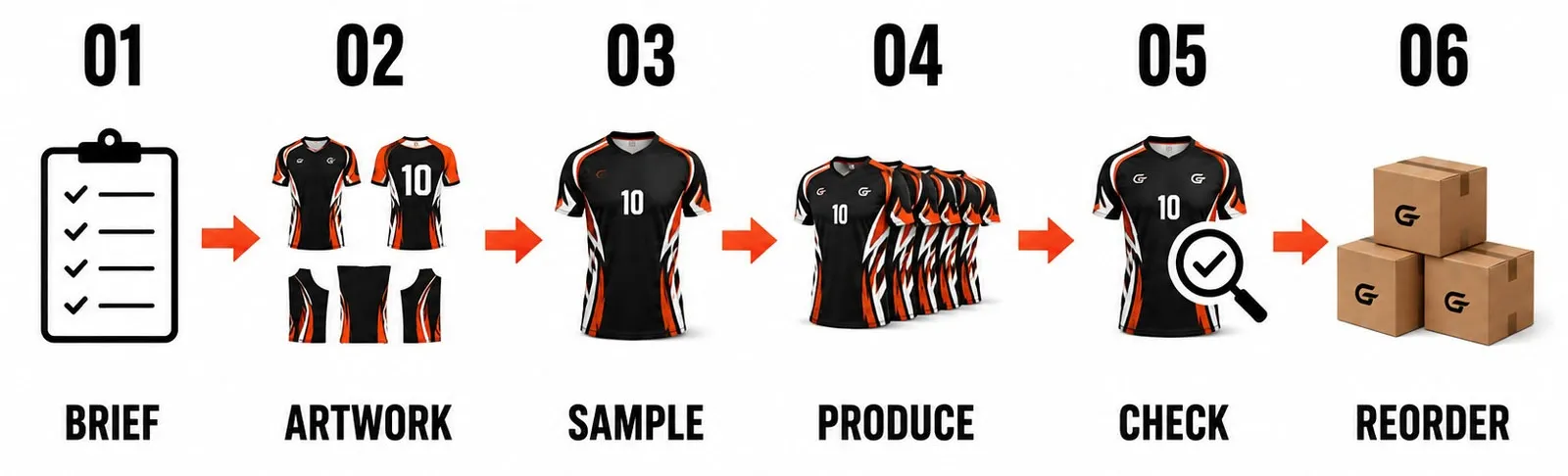
A Production Flow Built for Clear Decisions
Brief and feasibility: confirm the sport, garment, quantity, target market, budget direction, destination and required date.
Artwork and specification: organize colors, logos, graphics, names, numbers, measurements, fabrics, labels and packing rules.
Sample and approval: review the agreed visual and physical references before bulk production.
Scheduling and manufacturing: release approved files into printing, cutting, decoration, sewing and finishing.
Inspection and packing: check the critical order data and organize goods according to the confirmed pack-out.
Delivery and reorder: ship under the agreed logistics plan and retain useful project references for later additions.
Ten Custom Sportswear Process Cards
A capable supplier should explain more than “we can do it.” Each process creates a different appearance, hand feel, price effect and production requirement. The following cards help buyers compare methods before artwork is finalized. Price and lead-time effects are relative guides only; the confirmed impact depends on the garment, material, artwork, coverage, quantity and testing requirements.
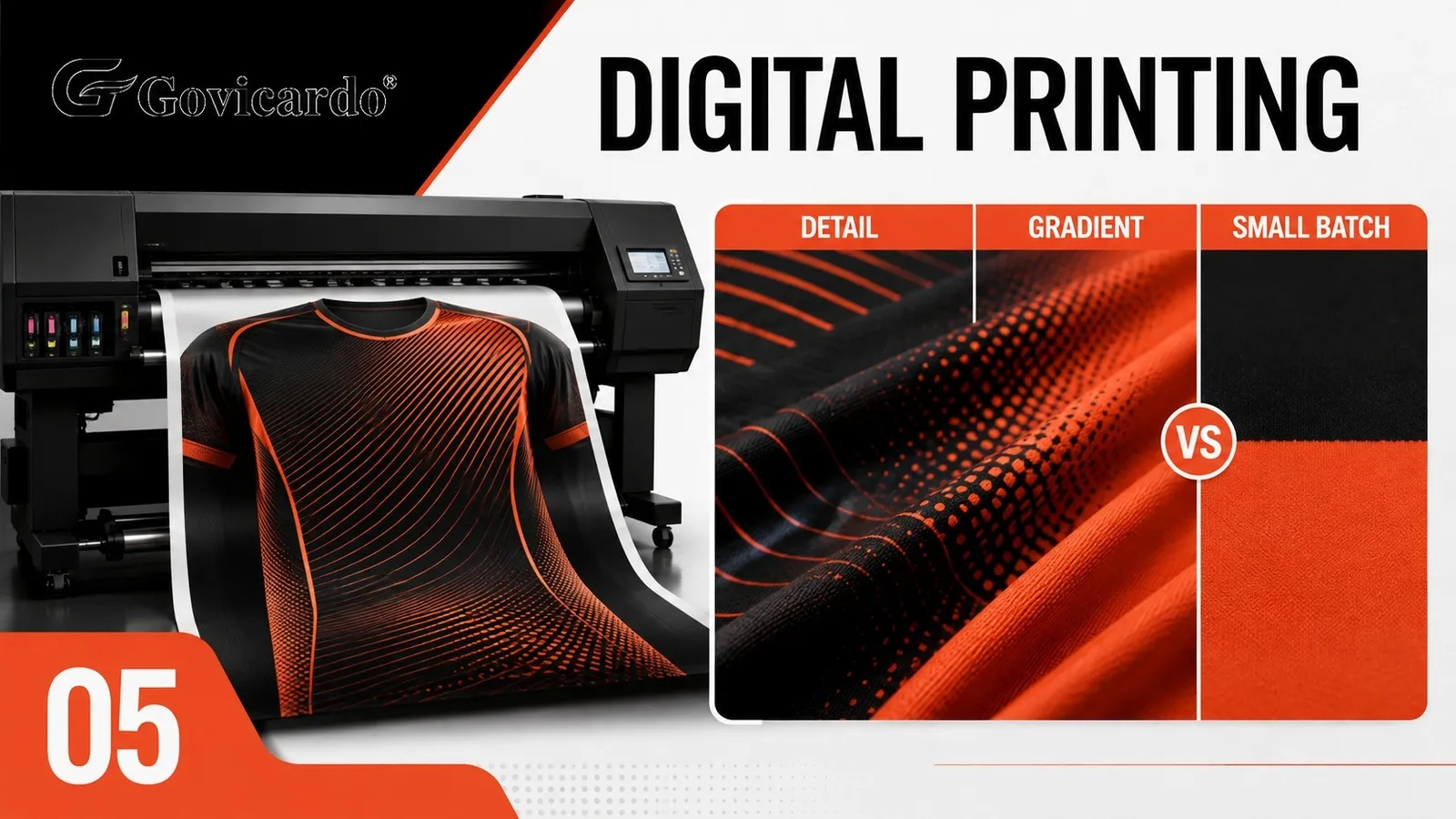
01. Digital Printing
Suitable products: Custom jerseys, training tops, T-shirts and polyester garments with detailed graphics. Advantages: Supports complex artwork, color variation and efficient setup for smaller quantities. Limitations: The result depends on the selected fabric and print route; color should be reviewed on the intended material. Ideal customers: Teams and brands developing graphic-led collections or multiple coordinated designs.
Price impact: Moderate, mainly affected by coverage and fabric. Lead-time impact: Low to Moderate after artwork approval. Physical effect: Clean gradients, fine lines and repeatable placement without the raised texture of embroidery or silicone.
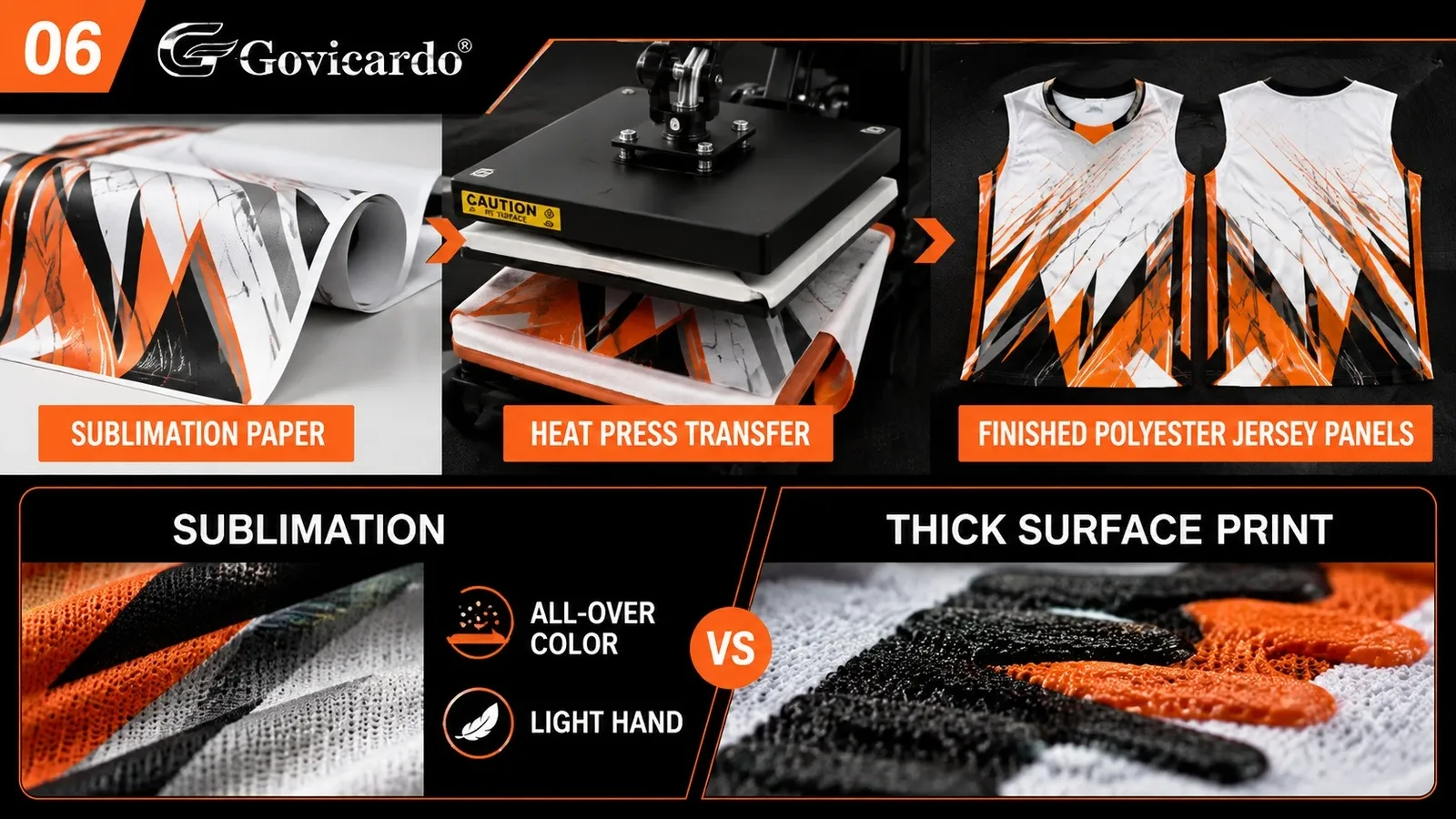
02. Dye Sublimation
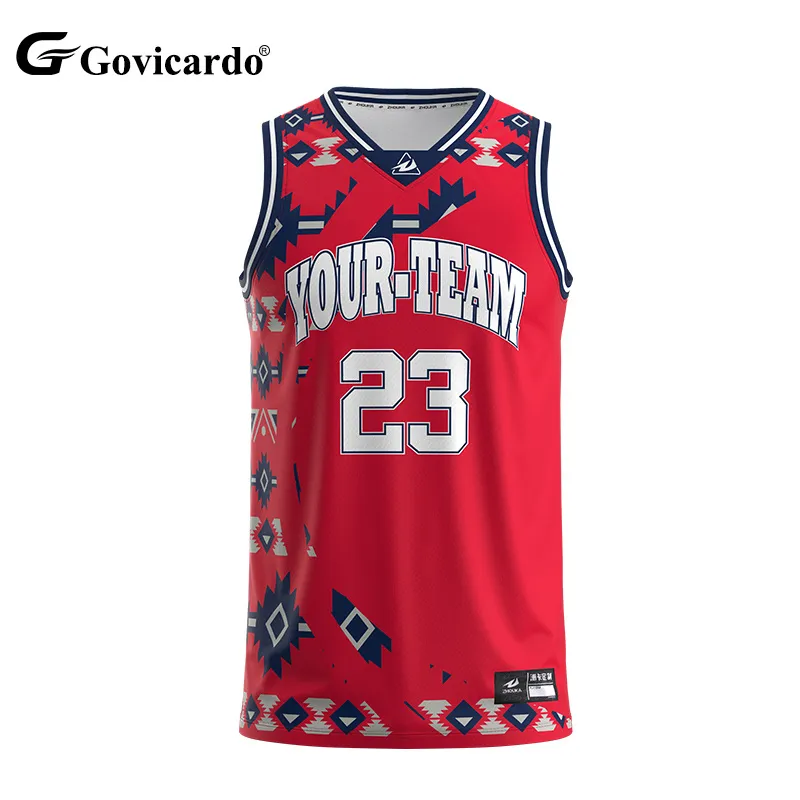
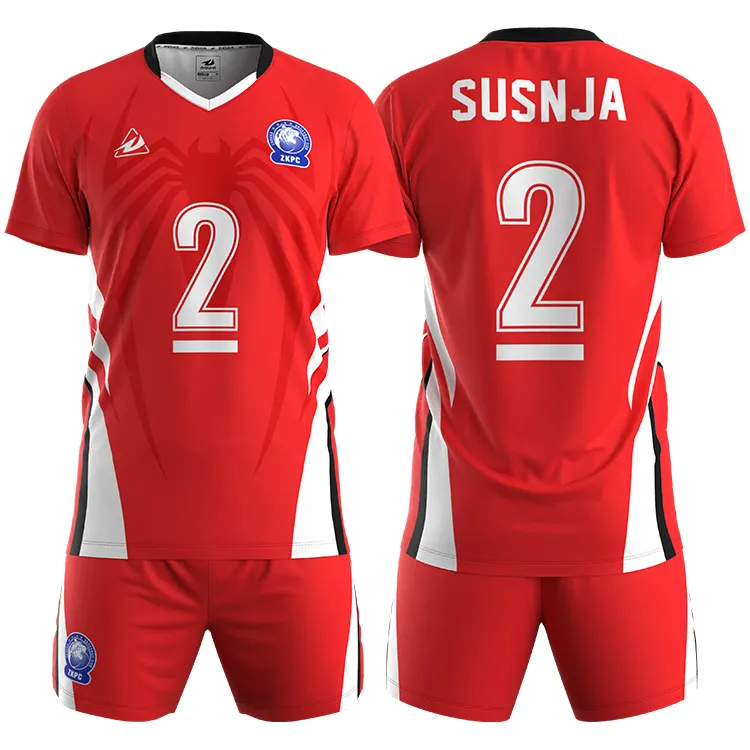
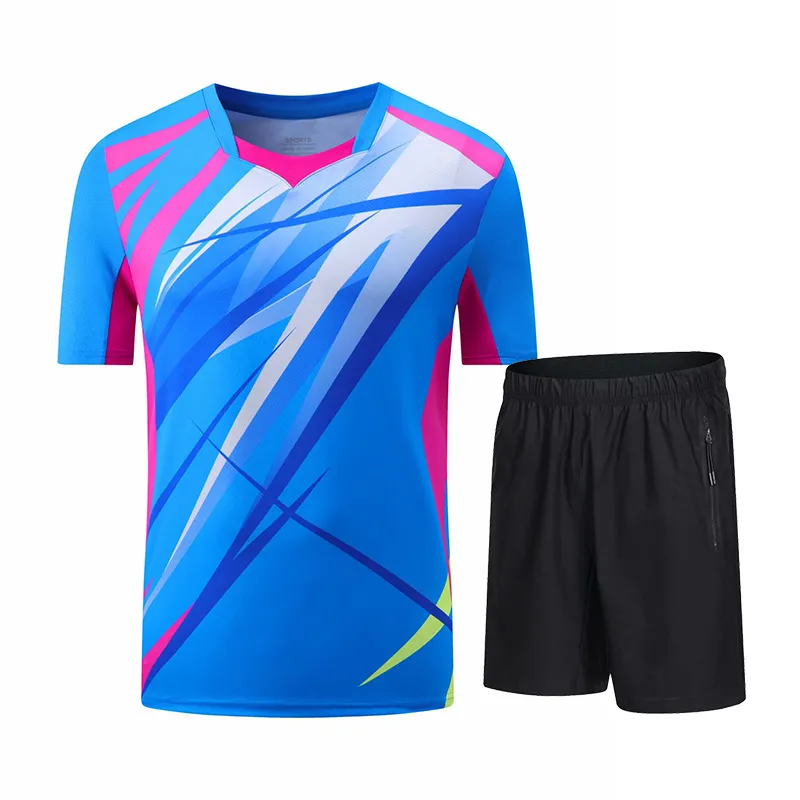
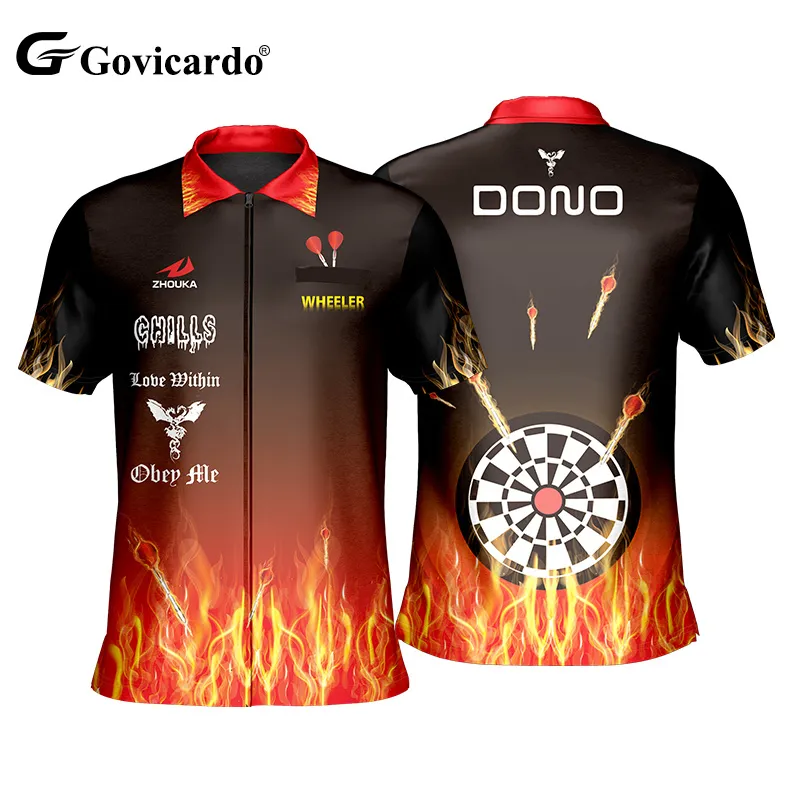
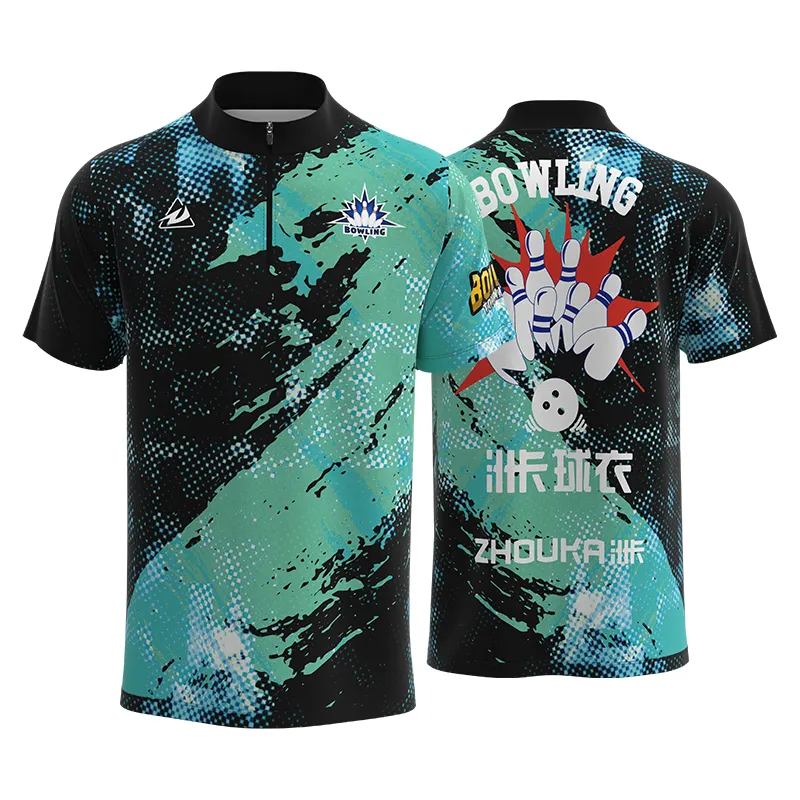
Suitable products: Polyester soccer, basketball, volleyball, rugby and training uniforms with all-over graphics. Advantages: Dye enters the polyester fibers, so the design remains light in hand and does not create a thick surface layer. It is well suited to names, numbers and full-garment color systems. Limitations: Best suited to compatible polyester fabrics and normally works most predictably on light base material. Ideal customers: Clubs, academies and brands needing coordinated, highly personalized teamwear.
Price impact: Moderate. Lead-time impact: Moderate because each printed panel must match the approved pattern before cutting. Physical effect: Vivid all-over color, smooth hand feel and no separate printed edge.
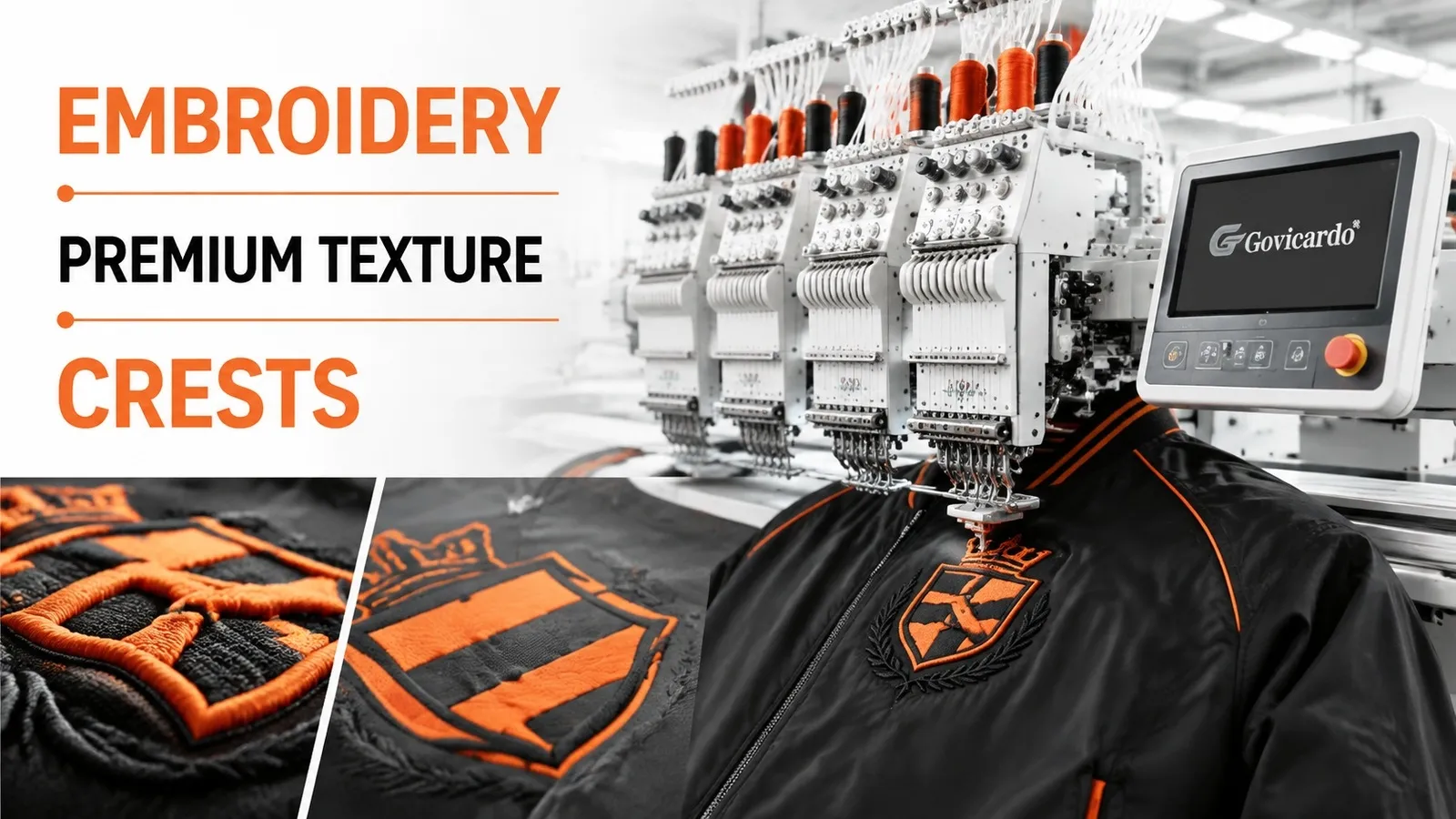
03. Embroidery
Suitable products: Club crests, brand marks and badges on polos, jackets, tracksuits, caps and selected jerseys. Advantages: Creates a premium dimensional finish and strong perceived value. Limitations: Very small lettering, fine gradients and large dense areas may need simplification; heavy stitching can affect lightweight fabric. Ideal customers: Clubs, premium team programs, staff ranges and private-label brands that value tactile identity.
Price impact: Moderate to High depending on stitch count, size and number of positions. Lead-time impact: Moderate because the artwork must be digitized and a sew-out may require approval. Physical effect: Raised thread texture with visible stitch direction and a structured badge appearance.
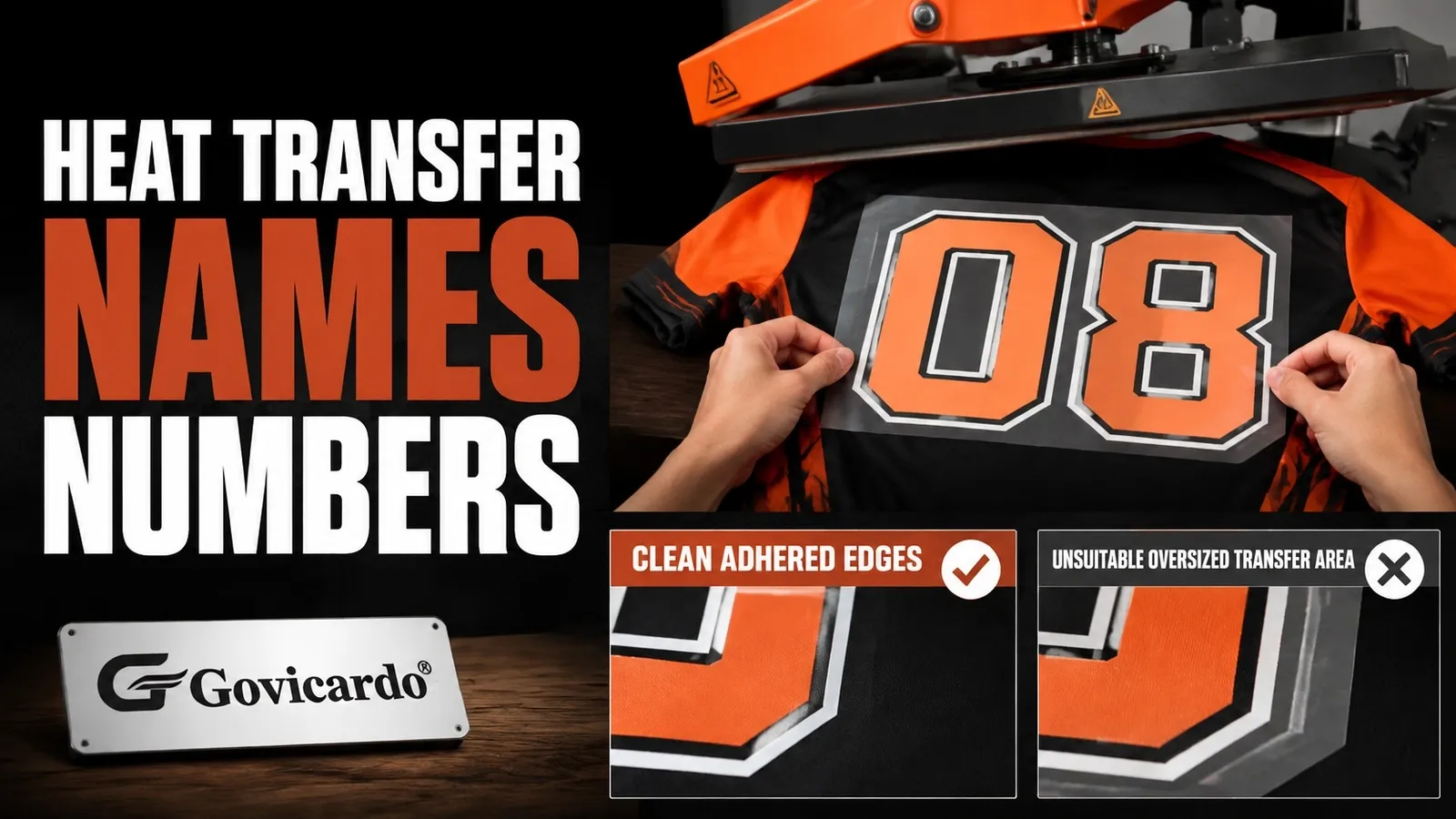
04. Heat Transfer
Suitable products: Player names, numbers, sponsor marks and smaller logos on jerseys, jackets and training apparel. Advantages: Practical for variable player information, sharp edges and selected short-run applications. Limitations: The film, adhesive, pressure and fabric compatibility must be selected correctly; large areas can change breathability and hand feel. Ideal customers: Teams with individual personalization and buyers adding defined marks to existing garment designs.
Price impact: Low to Moderate for limited placements. Lead-time impact: Low to Moderate once the player list is final. Physical effect: Crisp surface-applied graphics with a clearly controlled edge and variable finish by material.
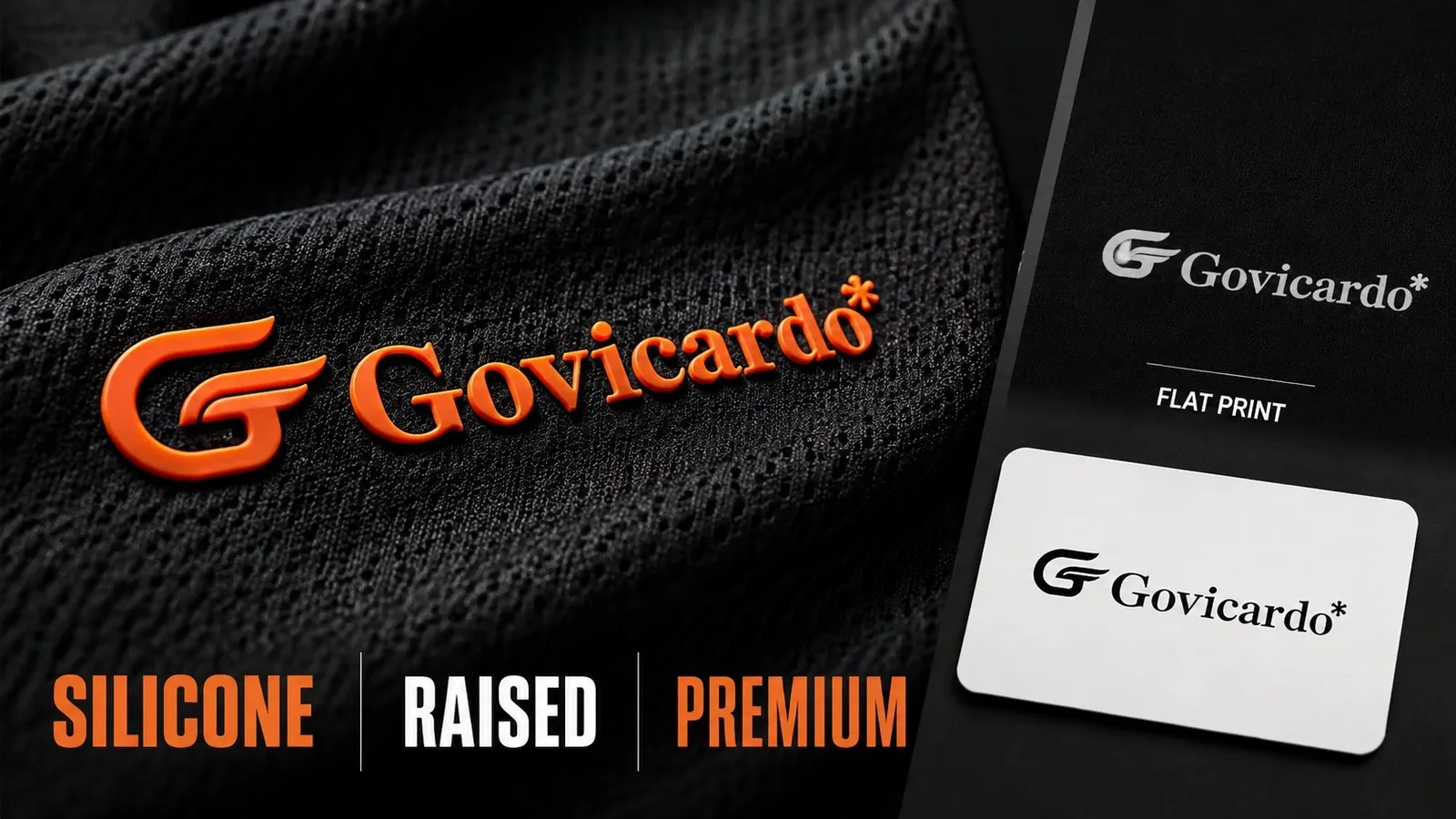
05. Silicone Printing
Suitable products: Premium logos, badges, grip details and raised graphic accents on performance tops, jackets and street-sports pieces. Advantages: Produces a clean three-dimensional surface, flexible hand feel and distinctive modern finish. Limitations: Fine details, thickness, color matching and fabric adhesion need testing; it is unnecessary for every large graphic. Ideal customers: Private-label brands and premium team programs seeking a tactile point of difference.
Price impact: High relative to basic flat decoration. Lead-time impact: Moderate to High because molds, layers or adhesion tests may be required. Physical effect: Smooth raised edges with a rubber-like dimensional finish.
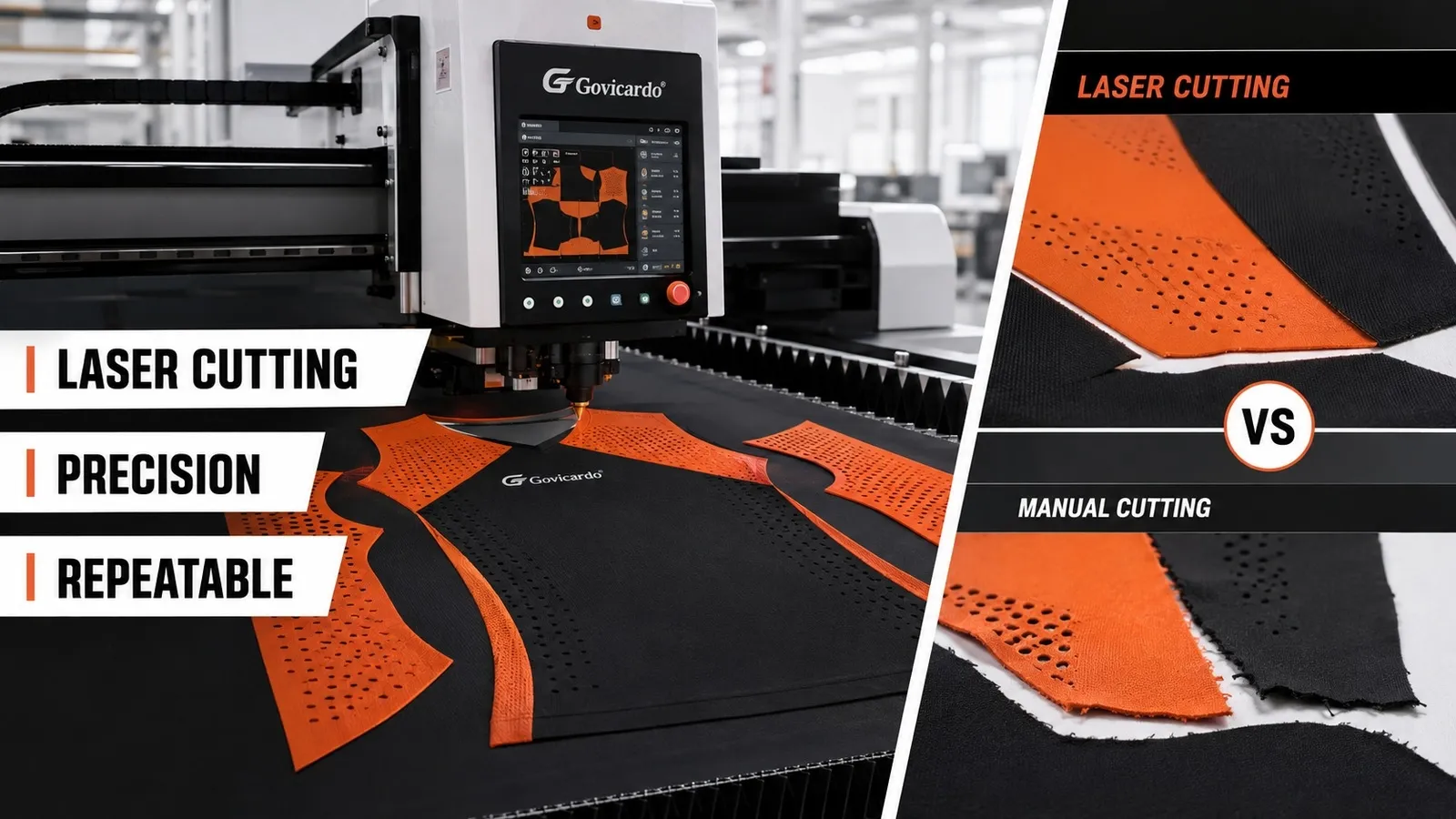
06. Laser Cutting
Suitable products: Precision garment panels, ventilation features, bonded details and selected performance constructions. Advantages: Produces accurate repeated shapes and clean controlled edges, especially where manual cutting would be difficult. Limitations: Not every fabric or construction benefits from laser processing; heat response, edge behavior and panel nesting must be evaluated. Ideal customers: Technical teamwear and sportswear brands developing repeatable panel structures.
Price impact: Moderate, depending on complexity and setup. Lead-time impact: Low to Moderate after the digital pattern is approved. Physical effect: Precise panel geometry, controlled perforations and consistent repeated cut lines.
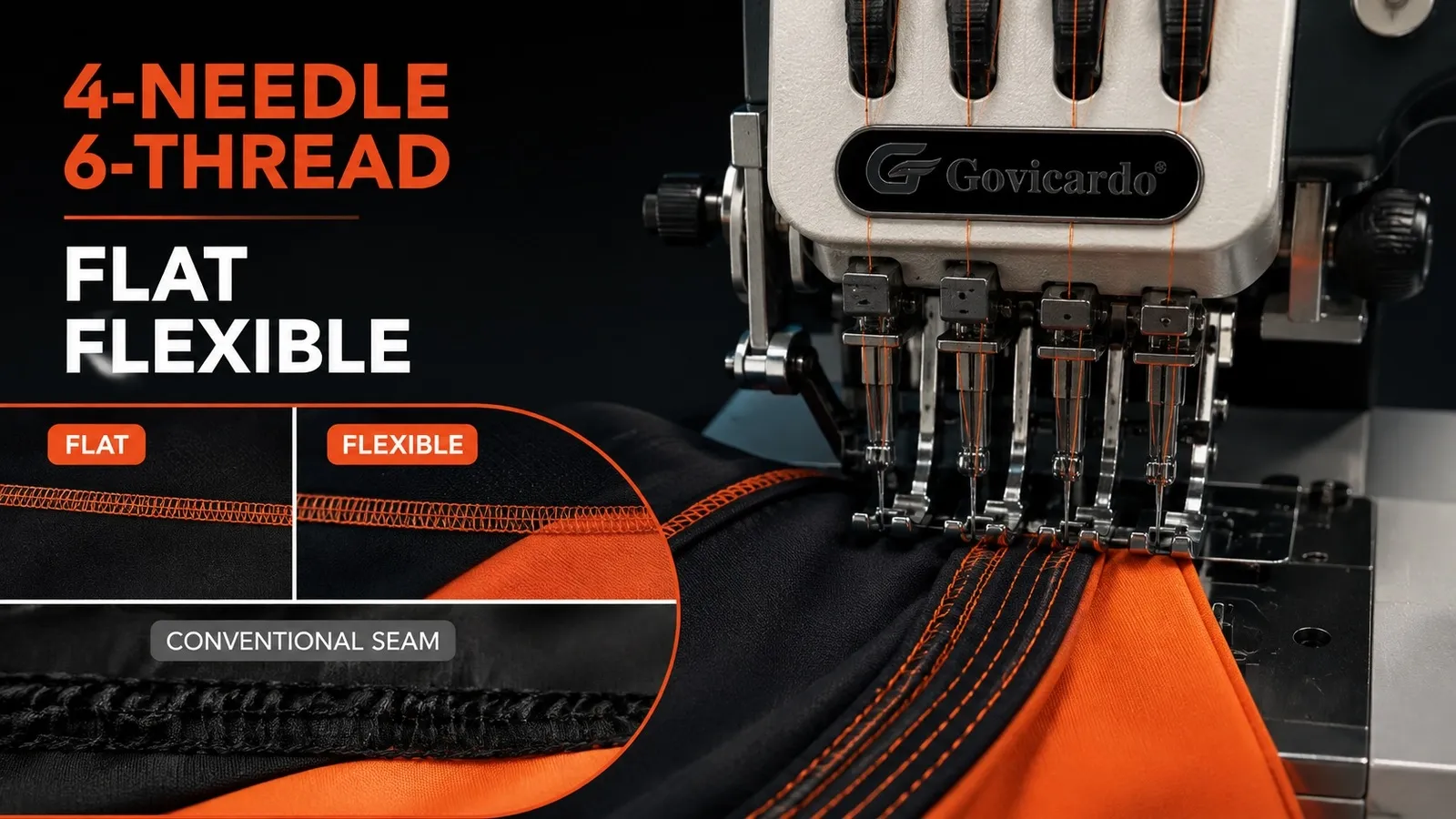
07. Four-Needle Six-Thread Stitching
Suitable products: Stretch performance tops, compression wear, base layers and seams that sit close to the body. Advantages: Creates a flat, flexible seam structure that can improve comfort and distribute stress across the joined fabrics. Limitations: Requires suitable construction, trained operation and careful tension control; it adds little value where a standard seam already meets the product need. Ideal customers: Performance brands and teams specifying technical next-to-skin garments.
Price impact: Moderate to High. Lead-time impact: Moderate when used across several panels. Physical effect: Wide flat parallel stitching with minimal bulky seam allowance against the body.
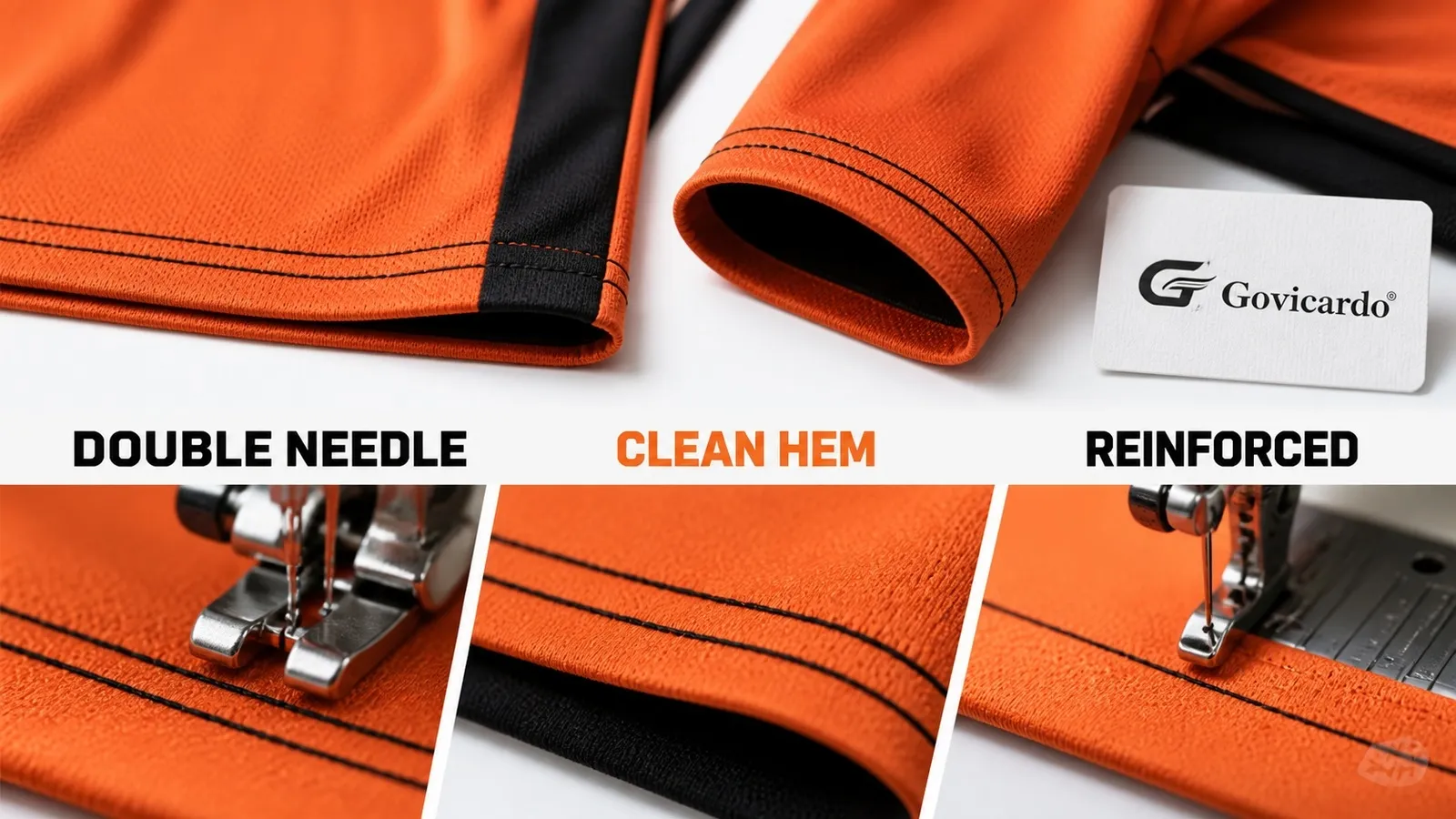
08. Double-Needle Stitching
Suitable products: Jersey hems, sleeve openings, T-shirts, polos, training wear and other areas needing parallel topstitching. Advantages: Provides a familiar, tidy finish and adds reinforcement with an efficient production method. Limitations: Needle spacing, thread tension and fabric stretch must match the garment; it is not a substitute for every specialist seam. Ideal customers: Teams, schools, distributors and brands needing dependable everyday sportswear construction.
Price impact: Low to Moderate. Lead-time impact: Low. Physical effect: Two straight parallel stitch lines with a balanced, consistent appearance around hems and openings.
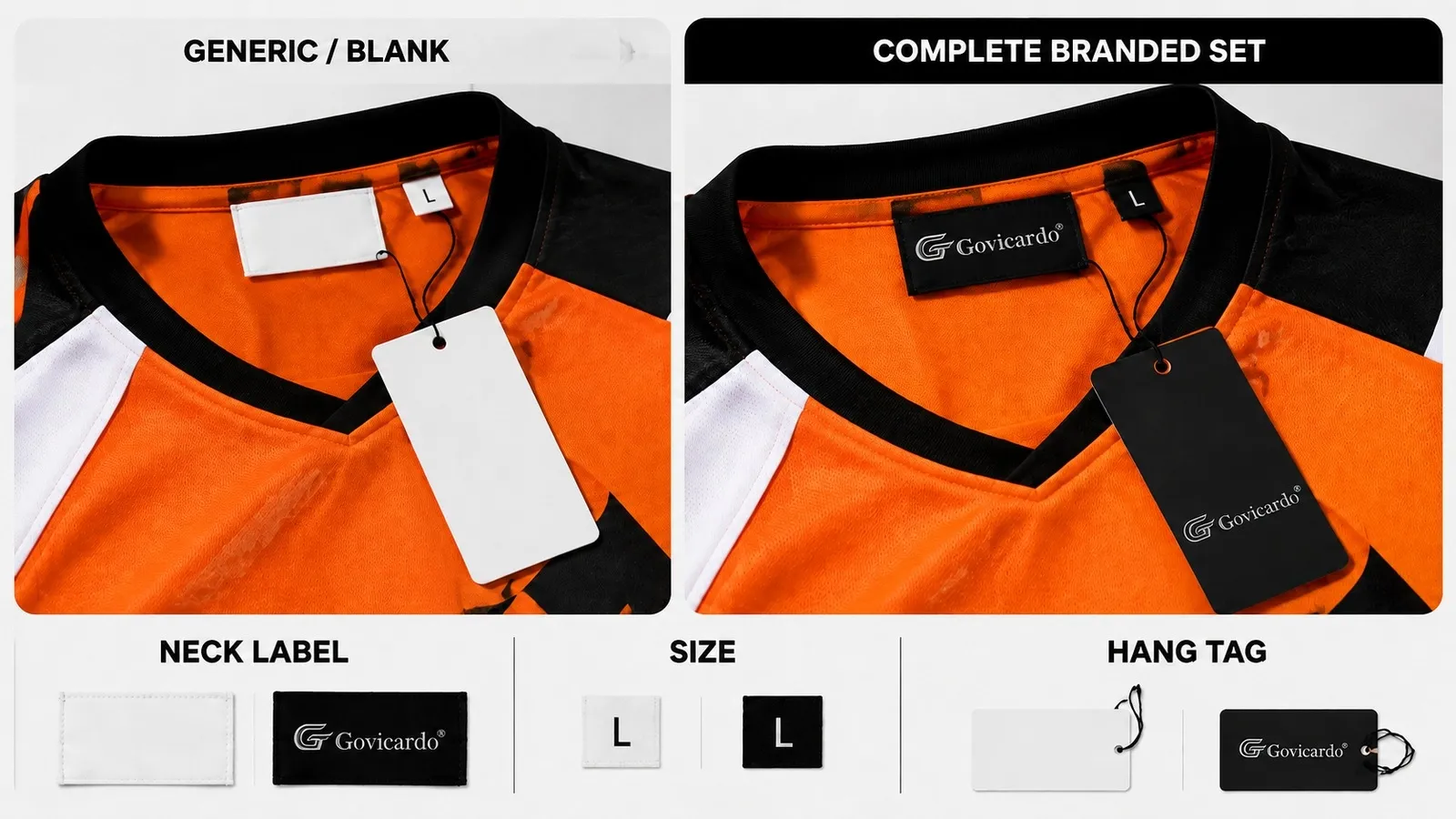
09. Custom Neck Labels and Hang Tags
Suitable products: Private-label jerseys, training collections, retail apparel and club merchandise. Advantages: Carries brand identity, size and care information beyond the outside logo and creates a more complete retail presentation. Limitations: Label dimensions, fiber content, care symbols, language and destination-market requirements must be confirmed by the buyer. Ideal customers: Sportswear brands, distributors, clubs and e-commerce sellers building their own product identity.
Price impact: Low to Moderate per garment, with setup and quantity effects. Lead-time impact: Moderate because files and label production need approval. Physical effect: Coordinated woven or printed neck labels, size tabs and branded hang tags.
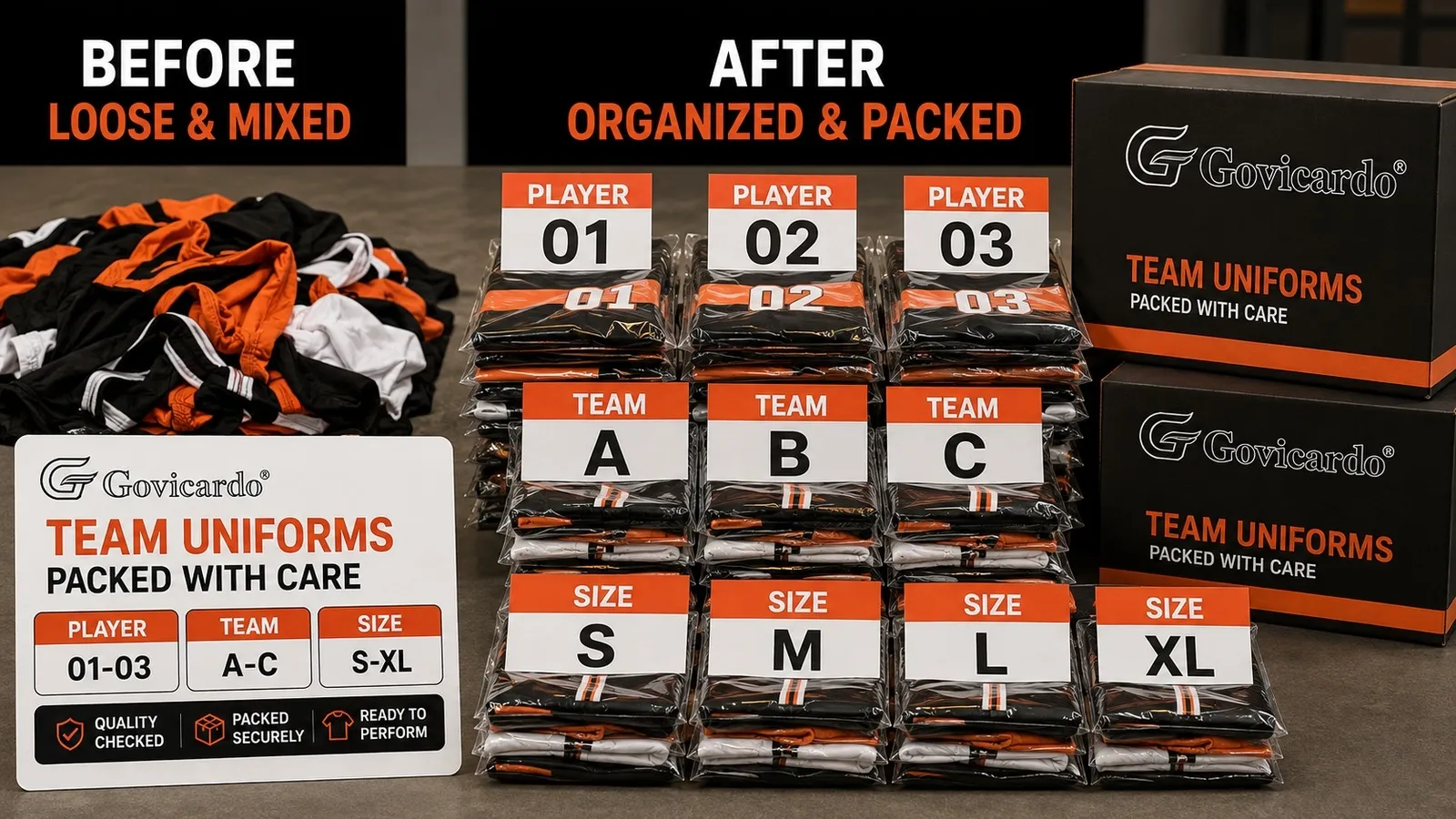
10. Custom Packaging
Suitable products: Team orders, retail collections, event kits, distributor programs and individually assigned uniforms. Advantages: Protects goods, supports brand presentation and can reduce sorting work when packs are organized by player, team, size or product. Limitations: Extra materials, printed packaging and complex pack-out rules add cost, space and approval steps. Ideal customers: Buyers that distribute to many players, sell retail-ready products or need a consistent unboxing experience.
Price impact: Low to High according to material and customization. Lead-time impact: Low for standard packs and Moderate to High for custom printed packaging. Physical effect: Folded, protected and clearly labeled garments with coordinated outer cartons.
Design Capability Means Making an Idea Ready for Production
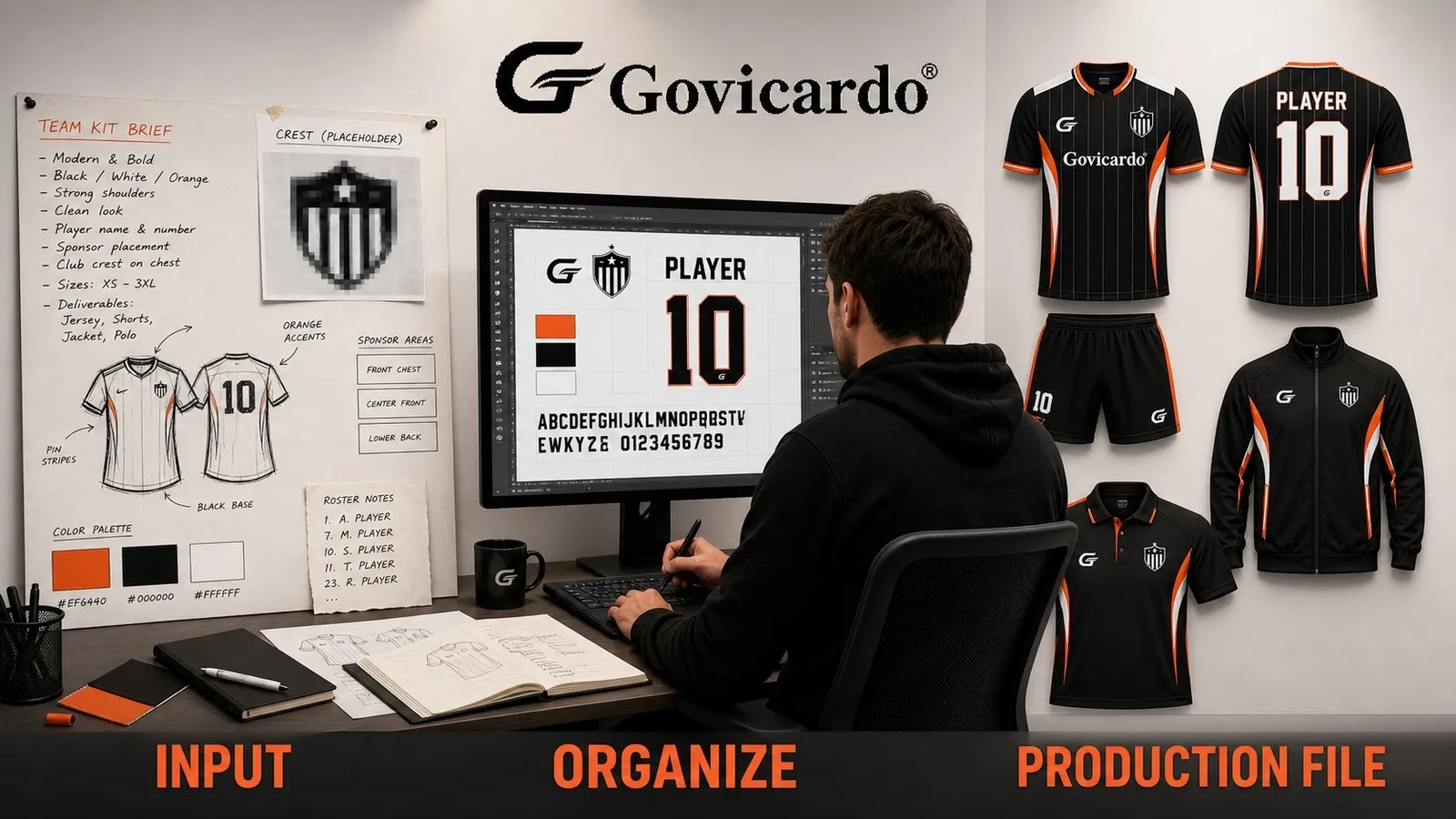
A customer rarely begins with a perfect production file. A club may send a low-resolution crest, sponsor logos in different formats, screenshots of preferred colors, a handwritten placement note and a spreadsheet of names and numbers. A private-label buyer may have a mood board and product idea but no final garment layout. The important design skill is not simply making the jersey look attractive. It is turning scattered, inconsistent information into artwork that a production team can follow.
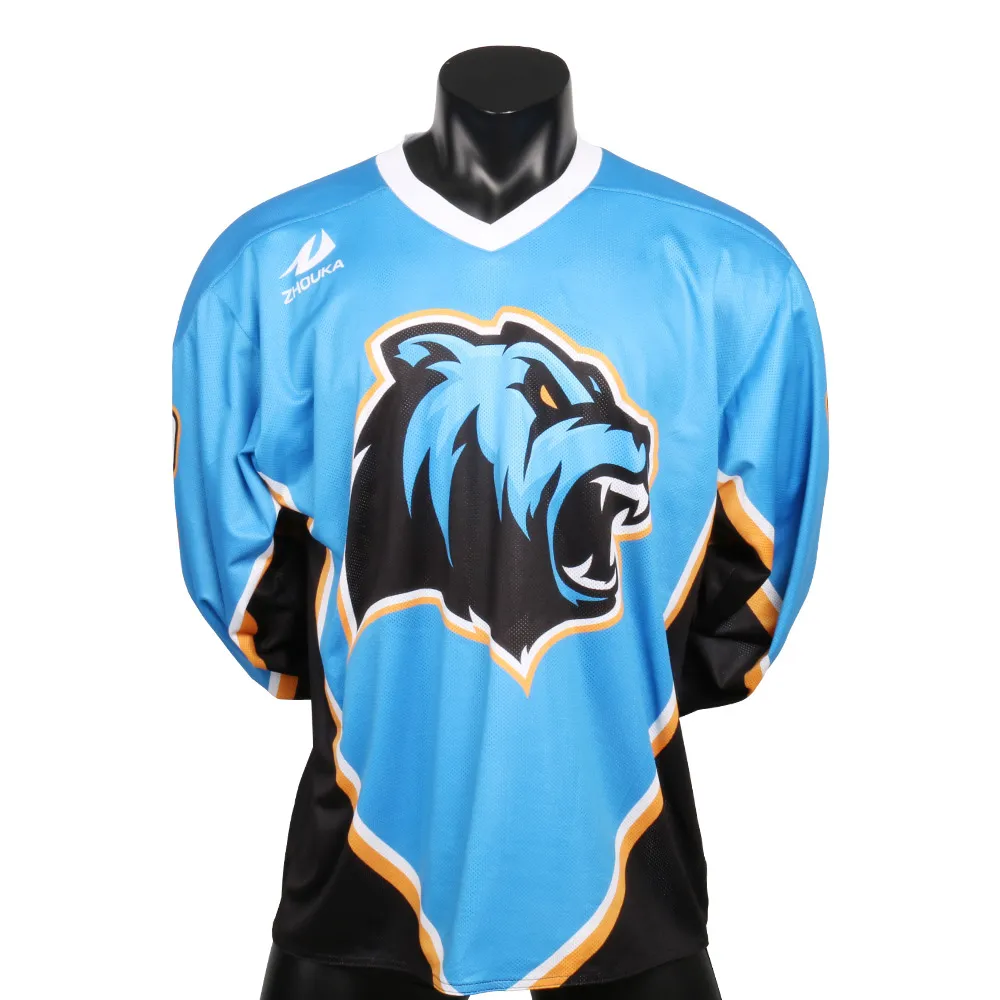
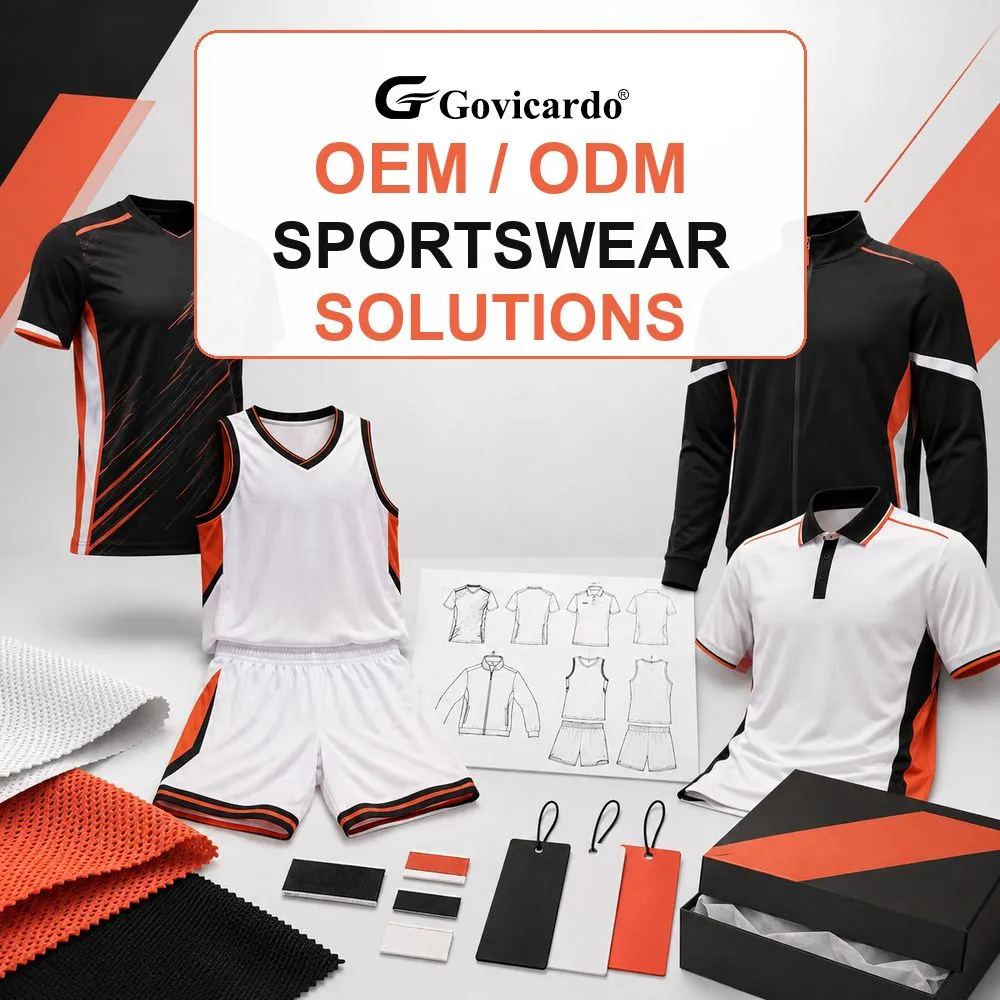
Govicardo's design workflow can include pattern development, crest clean-up, sponsor-logo hierarchy, name and number placement, color coordination, and the extension of one identity across match jerseys, training tops, jackets, polos and accessories. Designers must also respect panel seams, print boundaries, embroidery limits, label dimensions and the selected fabric. These production constraints are part of good design because they prevent an attractive screen image from becoming an impractical garment.
The buyer remains responsible for approving the final artwork and confirming permission to use all supplied logos and trademarks. Once approved, the production artwork becomes a common reference for sales, merchandising, printing, cutting, sewing and inspection.
One Team, One Production File
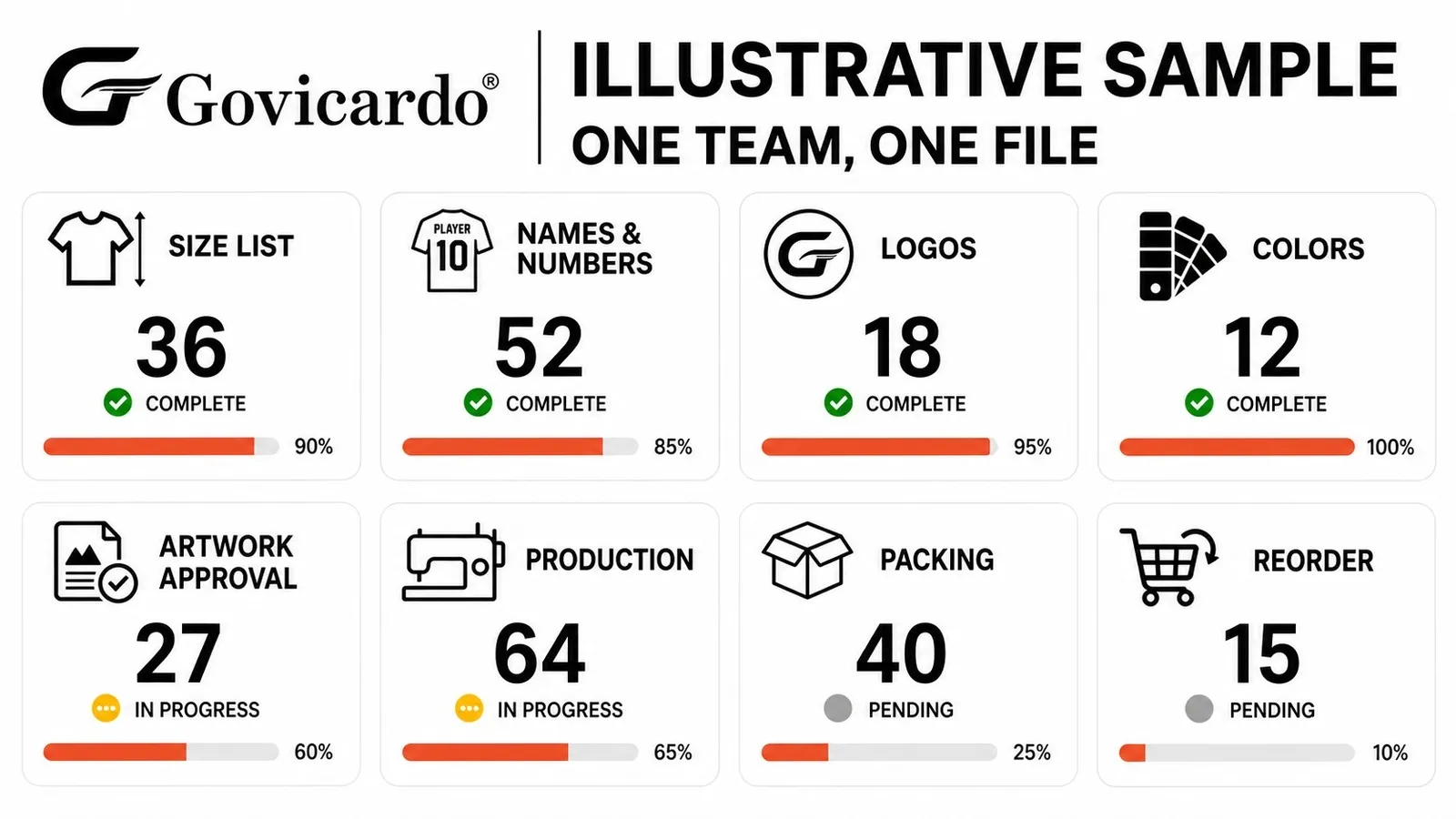
Many custom uniform errors begin before manufacturing. A size list is sent in one message, numbers are corrected in another, a new sponsor file arrives by email, and a color change appears in a voice note. Even a strong factory can produce the wrong result when the controlling information is fragmented.
A structured team file brings the order together. It records the product and version, size breakdown, player names and numbers, approved logos, color references, artwork status, label requirements, packaging instructions and final approvals. Missing or duplicated information becomes easier to see before material is printed or cut. The buyer receives a clearer confirmation, and production works from an agreed source rather than a chain of informal messages.
The same structure supports reorders. Retained artwork and product references create a starting point for new players, replacement sizes or an additional team. Current material availability, quantities, personalization and delivery requirements must still be reconfirmed, but the project does not need to rediscover every earlier decision.
Quality Control Focused on the Five Details Buyers Fear Most
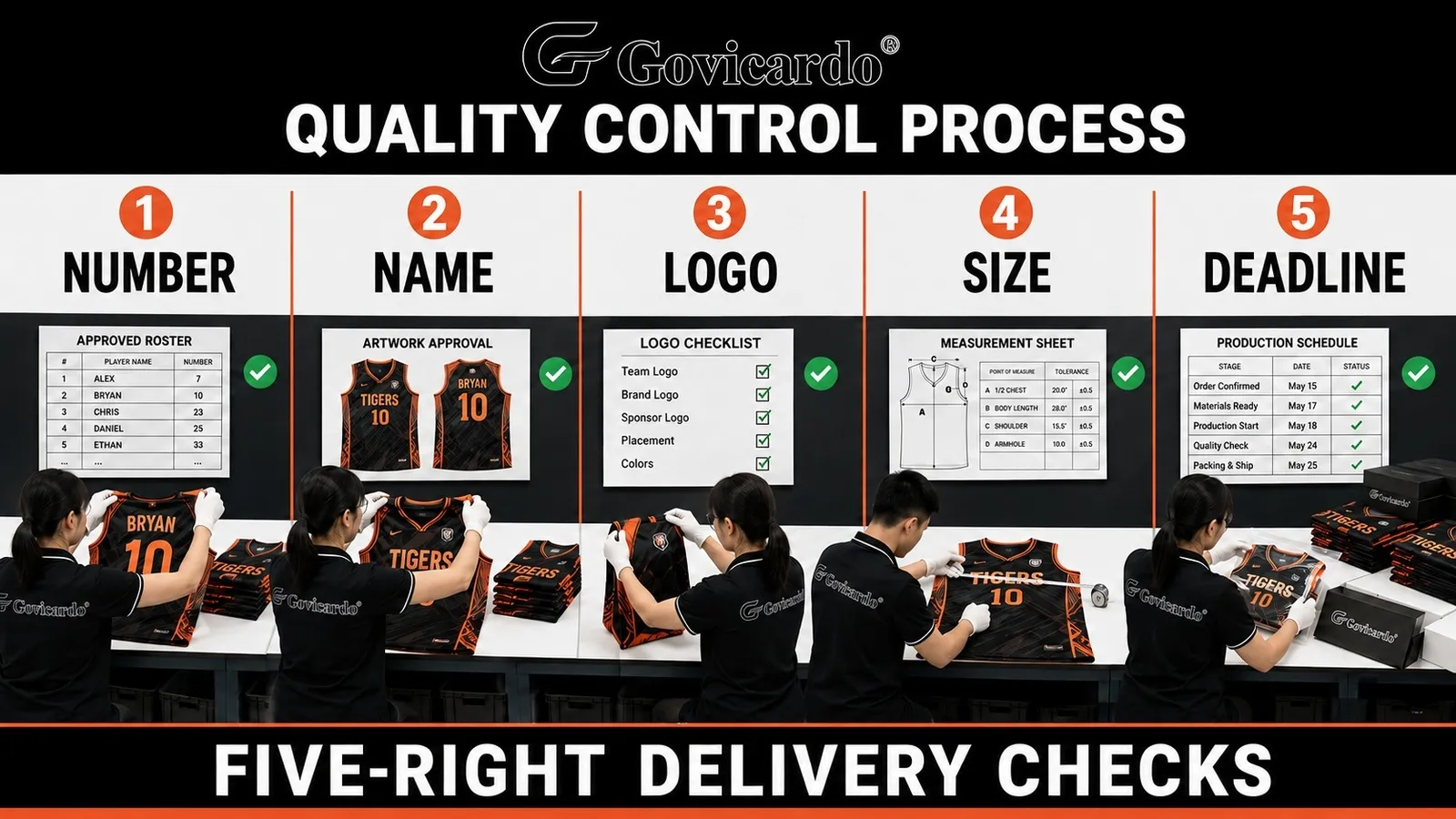
“Good quality” is too broad to guide a custom uniform order. Buyers need the correct garment and the correct information delivered at the required time. Govicardo organizes the critical checks around a practical Five-Right Delivery Standard: the right number, right name, right logo, right size and right deadline.
The control process begins before production with artwork, measurement, material and roster confirmation. A bulk-production reference aligns the approved result with the manufacturing file. During production, inspections can review printing, cutting, stitching and assembly. Finished goods are sampled for measurements, decoration, appearance and quantity. Packaging is checked against the approved grouping instructions, and photo or video confirmation can be arranged before shipment when agreed for the project.
Quality control reduces avoidable risk but does not replace buyer approval. Names, spellings, numbers, logo rights, size selections and the required delivery date must be checked carefully before authorization. Clear shared information is the foundation of accurate production.
Frequently Asked Questions
What is flexible sportswear manufacturing?
Flexible sportswear manufacturing organizes different quantities, customization methods and product types through a controlled workflow. For Govicardo, it connects artwork, order data, production scheduling, manufacturing, inspection, packing and reorder support instead of treating each step as a separate conversation.
What is the MOQ for fully custom Govicardo sportswear?
Govicardo's published MOQ for fully custom designs starts from 20 pieces. The applicable minimum depends on the exact garment, fabric, construction, decoration, size range and customization requirements and is confirmed during quotation.
Can Govicardo handle both small orders and larger wholesale programs?
Yes. The published supply structure supports small-batch customization and monthly capacity above 50,000 pieces. Feasibility and timing are confirmed for each project according to its products, quantities, approvals and delivery destination.
How quickly can a custom sportswear sample be made?
Selected Govicardo products state support for a 7-day sample order. Actual sample timing depends on the design, product, fabric, decoration and completeness of the approved information, so the schedule should be confirmed with the quotation.
Which decoration method should I choose?
Choose according to fabric, artwork, texture, quantity, use and budget. Sublimation suits all-over polyester graphics; embroidery adds raised thread texture; heat transfer is useful for variable names and numbers; silicone creates a premium raised accent. Govicardo can review the intended product before the method is confirmed.
Can you turn a rough idea into production-ready jersey artwork?
Yes. Design support can organize supplied ideas, colors, crests, sponsor logos, names and numbers into a clearer garment layout. The final artwork, logo permissions and production details remain subject to buyer review and approval.
How are player names, numbers and sizes controlled?
A structured roster links each wearer with the correct product, size, name and number. The approved roster is checked against garment artwork and quantities before production. Buyers should review all spellings, assignments and sizes carefully before release.
Can we place a small reorder for new players?
Govicardo supports small repeat orders. Retained artwork and product information can shorten the preparation process, while current materials, quantities, sizes, personalization and delivery requirements are reconfirmed for the new order.
Can packaging and private labels be customized?
Yes. Available private-label options include logos, neck labels, size labels, hang tags and branded packaging. Requirements, artwork, compliance information, quantities and lead-time impact should be confirmed before production.
What information is needed for an accurate quote?
Share the sport, garment list, estimated quantity, size range, design or reference image, logos, colors, fabric preference, decoration, packaging needs, destination and required delivery date. Clear information allows Govicardo to assess the production route and identify decisions still needed.